Every winter, some yards come alive with flashes of feathers, while others stay eerily quiet. What makes the difference? Bird lovers have discovered a simple, dirt-cheap trick—especially powerful in December—that turns even the quietest backyard into a daily bird parade.
Why this cheap December ingredient works like magic
You don’t need fancy feeders or pricey seed mixes to attract birds in winter. All it takes is one common kitchen ingredient: unsalted fat. Think suet, plain lard, or clean beef drippings. It might not look like much, but for birds facing freezing nights, it’s pure fuel.
Birds burn calories fast in winter. Some, like chickadees, can lose body weight just trying to survive a cold night. High-fat foods give them the dense energy they need, fast. And when it’s offered regularly, they start relying on it—just like commuters stopping at the same coffee shop each day.
What kind of fat to use—and what to avoid
Stay simple. The safest types of fat for birds include:
- Plain suet (available in many grocery stores or from your butcher)
- Unsalted lard
- Clean beef tallow (no spices or gravy)
But avoid anything seasoned or leftover from your plate. That includes:
- Gravy
- Bacon grease (usually too salty)
- Anything with onion, garlic, or spices
- Stuffing, bread, or casseroles
How to make your own winter bird suet
Here’s the basic method that’s worked wonders for bird lovers across the country. You don’t need special gear—just a few pantry staples and a container.
Ingredients
- 2 cups unsalted suet or lard
- 1 cup birdseed mix
- 1/2 cup rolled oats
- 1/4 cup crushed (unsalted) peanuts or broken sunflower hearts
Instructions
- Melt the fat gently on low heat until liquid.
- Stir in the dry ingredients thoroughly.
- Pour into a mold—anything from a muffin tin to an old container will work.
- Let it harden in the fridge or outdoors during cold weather.
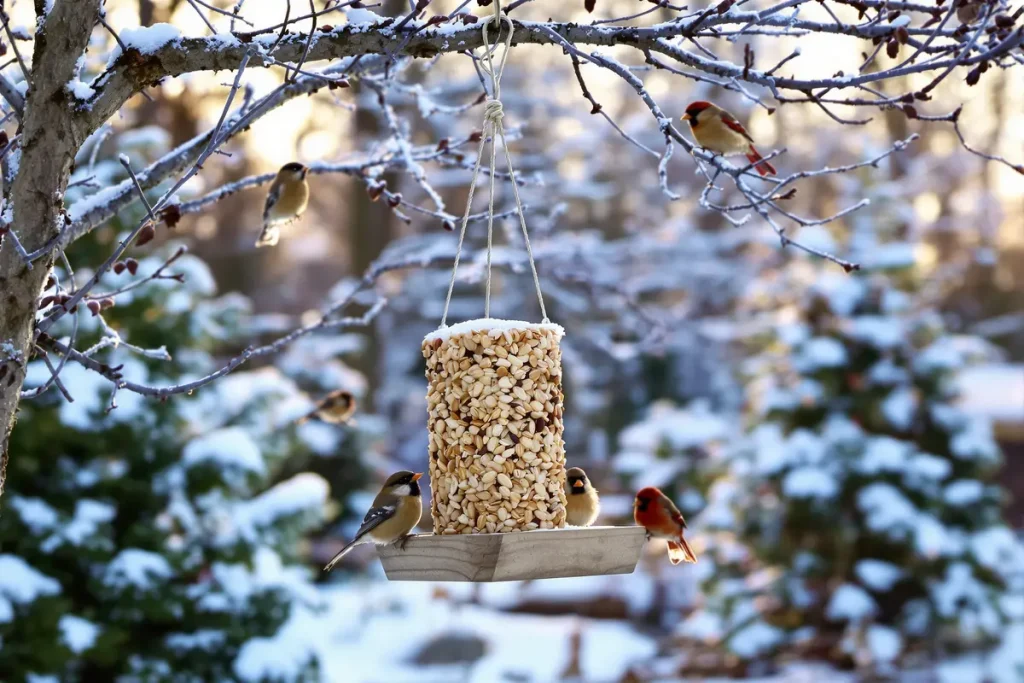
- Once firm, place it in a suet cage, mesh bag, or simple wooden holder.
Position it near trees or shrubs to make birds feel safe, but not too close to places where cats may hide.
When and how to offer suet for best results
You’ll get consistent visits if you offer fat early in the morning. Birds start their day searching for calories. If they find high-energy food at your feeder two or three mornings in a row, they’ll start dropping by like clockwork.
Mark, a retiree in Michigan, shared this tip: “The first time I put it out, nothing. Day four, a woodpecker showed up. By Christmas Eve, the whole yard was singing.”
What if no birds come right away?
Don’t give up too soon. Birds are cautious. Especially in winter. You might see them watching your new suet block from the trees for days before daring to land.
Tips to stay on track:
- Put out suet in the same spot each day, ideally before breakfast
- Use smaller blocks if the weather turns warmer to prevent spoilage
- Keep feeders clean to avoid mold buildup
- Watch for squirrels and hang feeders in squirrel-resistant spots
This tiny habit can reshape your mornings
What starts as a simple treat for birds often becomes a calming morning ritual. You step outside, listen for the flutter of wings, and start recognizing regular visitors. That red flash in the snow? A cardinal. That quick bounce and chirp? A chickadee.
It’s not about perfection. You don’t need to feed them every day without fail. Just be consistent enough that birds know your yard is a reliable stop. One suet block can bring more joy than you imagined.
Why neighbors are catching on fast
This trick spreads quickly. Why? Because it works. It’s budget-friendly, simple, and genuinely satisfying. You don’t need to be a bird expert. Just someone with a bit of unsalted fat and a willingness to try.
Some go with store-bought suet cakes. Others mix their own like they’re baking for feathered guests. It doesn’t matter. Birds care about calories, not brands. And once a few arrive, others follow. Birds are social. They learn from each other.
Key Takeaways
| Point | Detail | Why it matters |
|---|---|---|
| Use cheap fat | Suet, plain lard or tallow (unsalted and unseasoned) | Provides high energy for winter birds, very low cost |
| Make your own mix | Melt fat, add seed, oats, and nuts, let it harden | Easy and customizable DIY method |
| Be consistent | Feed at roughly the same time daily—ideally mornings | Encourages birds to return regularly |
Final thoughts: it’s not just food—it’s connection
This isn’t just about birds. It’s about what happens when you pay attention to the small corners of the natural world. You offer a little warmth to something wild, and in turn, it brings life to your window each cold morning.
With one cheap December habit, you create something beautiful and alive. Start today, and see who shows up tomorrow.