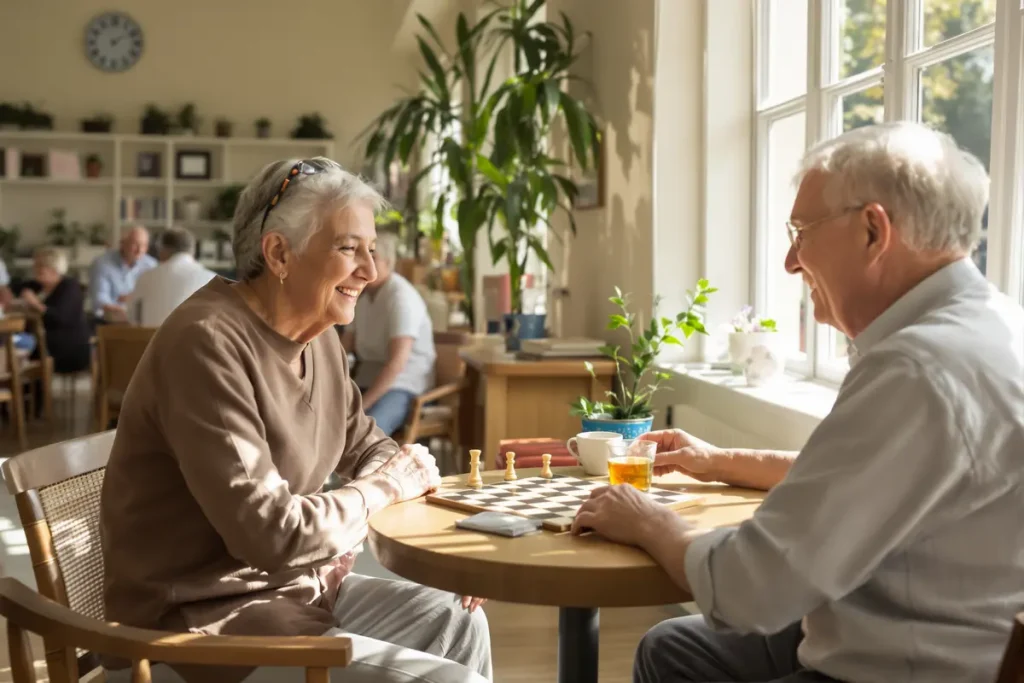
We all know the usual advice when it comes to staying sharp after 60—play chess, do puzzles, maybe download a brain-training app. But what if there’s a simpler, more enjoyable way to keep your mind agile and lift your mood at the same time?
Forget the pressure of complex strategies or screens. There’s one everyday habit, backed by experts, that’s gentle yet powerful: playing draughts, also known as checkers.
The surprising brain benefits of draughts
Draughts might look simple, but it hides a deep mental workout. It’s quick to learn and easy to play with a friend or grandchild. But each move involves real thinking—planning, memory, attention and flexibility come into play with every turn.
Unlike overstimulating digital games, draughts slows you down in the best way. It requires you to:
- Track your opponent’s options across multiple diagonals
- Think two or three steps ahead
- Pay close attention to shifting patterns
This gentle challenge gives your brain just the right type of nudge—enough to engage, not enough to overwhelm.
Science shows it may protect the aging brain
Studies suggest that mentally active seniors are less likely to develop dementia. A famous long-term study from the New England Journal of Medicine found that people over 75 who regularly played board games or read saw their dementia risk drop by about 7% for each increase in mental activity.
While draughts won’t cure any disease, it’s one of many enjoyable ways to help protect your cognitive health. Brain scans also show that regular cognitive challenges are linked to better preserved brain volume—especially in areas responsible for memory and planning.
How draughts trains your brain after 60
Here’s what your brain does during a game of draughts. It’s more active than you might think:
- Working memory: Remember past moves, traps and strategies.
- Attention: Focus on the important pieces while ignoring distractions.
- Planning: Think several moves ahead and adjust your tactics.
- Mental flexibility: Shift strategies quickly when the board changes.
- Speed of thinking: Timed games nudge your brain to react faster.
All of these skills apply in daily life too—like remembering tasks, following conversations, or adjusting plans when something changes suddenly.
More than a game: it boosts your mood and confidence
Cognitive health is tied to emotional well-being. That’s where draughts offers bonus benefits. It’s usually played face-to-face, not alone with a screen. That contact with others is key for emotional support and brain stimulation.
Why playing together makes a difference
A weekly draughts meetup at a café or community center doesn’t just flex your brain. It also gives you:
- Friendly conversation and laughs
- A reason to leave the house
- Positive rivalry and a sense of routine
That regular human connection is linked to lower depression rates and stronger mental resilience as we age.
Building self-esteem at the board
Winning or simply improving in draughts gives a clear message: “You’re still learning. You’re sharp.” That’s powerful for older adults who worry about cognitive decline. It’s proof that growth doesn’t stop after 60.
How often should you play?
Experts don’t agree on exact numbers, but they emphasize consistency. Here’s a simple guide:
| Frequency | Goal |
|---|---|
| Once a week | Light stimulation and social engagement |
| Two–three times a week | Strong habit, better focus and planning |
| Daily short games | Regular mental boost and quicker thinking |
Sessions shouldn’t last too long. A 20–30 minute game works well—enough to activate your brain without tiring you out.
Pair it with other brain-boosting habits
Draughts is a great pillar, but the brain thrives on variety. Try combining it with:
- Physical activity: Like walking, dancing, or swimming
- Creative hands-on tasks: Knitting, painting, or gardening
- Learning new things: Language apps or singing in a choir
This mix activates different brain areas and enhances emotional balance too.
Watch for stress, not just strategy
Some older adults might feel anxious about competitive games. If draughts causes stress or frustration, it may lose its benefits. Clubs and families should create a warm, welcoming setting:
- No harsh critiques or pressure to win
- Encouragement for beginners or those with memory struggles
- Flexibility with rules and timing for comfort
If someone prefers music, gardening or tai chi—that’s okay too. The best mental workout is the one you truly enjoy.
Try it: a one-month draughts challenge
Want to see the effects for yourself? Play a game two or three times a week for four weeks. After each session, jot down your mood, focus and sleep quality on a scale from 1 to 10.
Over time, you might notice:
- Sharper attention during reading
- Better sleep on game days
- More energy after friendly interaction
And if you prefer to play online, that’s fine too—just aim to stay connected with others through video calls or chats for that vital social boost.
So skip the brain app today—and open the checkers board instead. It could be your secret tool to staying sharp, happy and socially connected after 60.