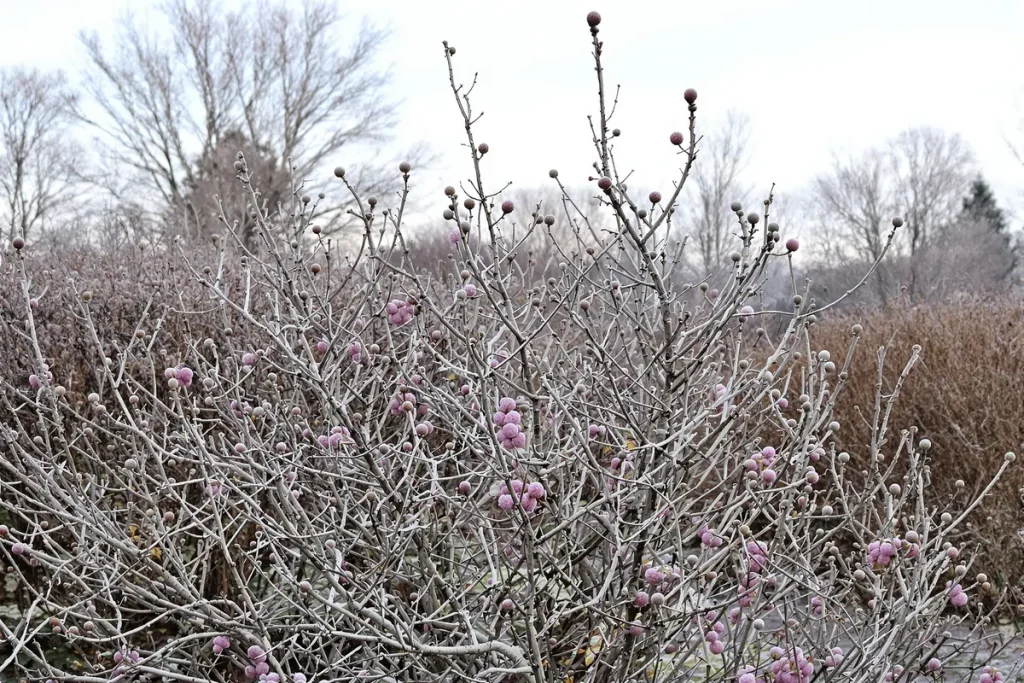
It’s tempting: the garden looks quiet, the tools are ready, and you want to get a jumpstart on spring by tidying things up in January. But if there’s one plant you should leave untouched during winter, it’s the lilac. A single mistimed cut now could mean missing out on those fragrant blooms you’ve been waiting all year for.
Why January Pruning Can Ruin Your Spring Lilacs
At first glance, a lilac shrub in winter appears lifeless. Bare gray branches, no leaves, no flowers — just structure. It might look like the perfect time for a trim. But looks can be deceiving.
Lilacs set their flower buds shortly after they bloom, usually in late spring or early summer. That means by the time January rolls around, next spring’s flower buds are already quietly sitting on the branches. If you cut them now, you cut off the very blooms you’re eager to see come May.
It’s not about the plant’s health. Lilacs don’t die from winter pruning. But they do lose their star performance — those sweet, nostalgic clusters of purple or white that fill the air with scent.
The Real-Life Impact of Pruning Too Early
A British gardening club once ran a simple experiment. Half the members pruned their lilacs in January. The other half waited until just after bloom. The results?
- Post-bloom group: Show-stopping displays, with vases overflowing and yards scented with lilac.
- Winter-pruned group: Almost no flowers — just foliage. One gardener managed only “ten sad little cones” on a once-glorious shrub.
Same plants. Same soil. Just different timing. That’s how powerful a pruning schedule can be.
How Lilacs Create Their Flowers
Here’s how it works. After blooming, a lilac shifts gears from putting on a show to preparing for the next one. The energy goes into growing new buds along the stems. These are future flower clusters, formed months before they ever open.
So when you prune in January, you’re not just tidying. You’re accidentally removing next season’s bloom. Think of it as snipping away bookmarks in a story you haven’t read yet.
The Right Way to Prune Lilacs
So when should you prune? One simple rule:
Always prune lilacs just after they finish flowering, typically late spring to early summer.
Here’s how to do it:
- Look for stems that just finished blooming.
- Trim those back to just above a pair of healthy buds lower on the branch.
- If your shrub is old or leggy, cut one or two of the thickest stems down at the base. Don’t remove more than that in a single year.
This gentle approach clears wilted flowers and encourages healthy new buds, without overwhelming the plant. Over a few years, even an overgrown lilac can bounce back beautifully.
Why Gardeners Often Get It Wrong
Let’s be honest — January feels like the perfect time to get organized. New lists, new energy, bare trees just screaming for a makeover. But “calendar instinct” isn’t always good instinct.
That’s how lilacs, and other spring bloomers like forsythia and mock orange, fall victim to premature pruning. It’s not laziness — it’s eagerness to do the right thing at the wrong time.
That’s why this simple tip is so powerful: Prune after flowering, not in winter. Put it on a sticky note near your garden tools if you have to.
Quick Reference for Lilac Care
| Key Timing | Action | Why It Matters |
|---|---|---|
| Right after bloom (late spring) | Prune to shape and remove old flower clusters | Preserves next year’s buds |
| January (or any winter month) | Avoid pruning | You risk cutting off all your future blooms |
| Every summer | Deep water during dry spells | Promotes healthy growth and bud development |
FAQs About Lilacs and Pruning
Can I save a lilac if I pruned it in January?
Yes, but you probably won’t get blooms this spring. Focus on good watering, light feeding, and proper pruning just after whatever little flowering does occur. It’ll bounce back next year.
How do I know which buds are for flowers?
Flower buds are rounder and fatter, often clustered at the tips. Leaf buds are pointier and sit along the sides of stems.
Do lilacs need pruning every year?
No. Light pruning is enough unless you’re managing size or rejuvenating an old shrub. Avoid heavy annual cutting — it’s unnecessary and may hurt flowering.
Can I cut some blooms for a vase?
Absolutely. Just don’t overdo it. Leave enough flowering branches to support photosynthesis and next season’s bloom.
Why does my lilac have healthy leaves but no flowers?
Common causes: pruning too late or too early, too much shade, or old unproductive wood. Adjust timing, ensure lots of sun, and begin a slow stem renewal.
Think Before You Snip: The January Garden Mindset Shift
Instead of treating winter like a cleanup session, try seeing it as a moment to observe. Walk up to your lilac. Run your hand along the woody stems. Feel the plump little buds. Think of them as spring, stored safely in plain sight.
Patience is the real pruning skill. Not every bare branch needs “fixing” the moment you notice it. Sometimes, it pays to wait — to trust what’s quietly forming beneath the surface.
A lilac in January isn’t sad or lifeless. It’s just not ready yet. Give it time — and the bloom it gives back will be worth every ounce of restraint.