Keeping your garden healthy doesn’t have to be hard or time-consuming. In fact, just 10 minutes a day can be the difference between thriving plants and withering leaves. If you’ve ever felt overwhelmed by garden maintenance, you’re not alone—but there’s a simple routine that can change everything.
Why 10 minutes a day is all it takes
Most plant problems start small—dry soil, a bug infestation, a hidden weed. Catch them early, and you avoid big headaches. That’s where a daily 10-minute check-in helps. You stay one step ahead of trouble and keep your garden looking vibrant year-round.
This routine isn’t just about watering. It’s about observing, adjusting, and showing your plants a little daily attention. Over time, these short sessions build up to real results.
What to include in your 10-minute garden routine
Here’s a simple checklist you can follow every day. It’s flexible, so adjust it to the season and your plants’ needs. But try to cover these basics:
- Walkthrough check: Spend 2–3 minutes walking through your garden. Look for drooping leaves, yellowing, pests, or broken stems.
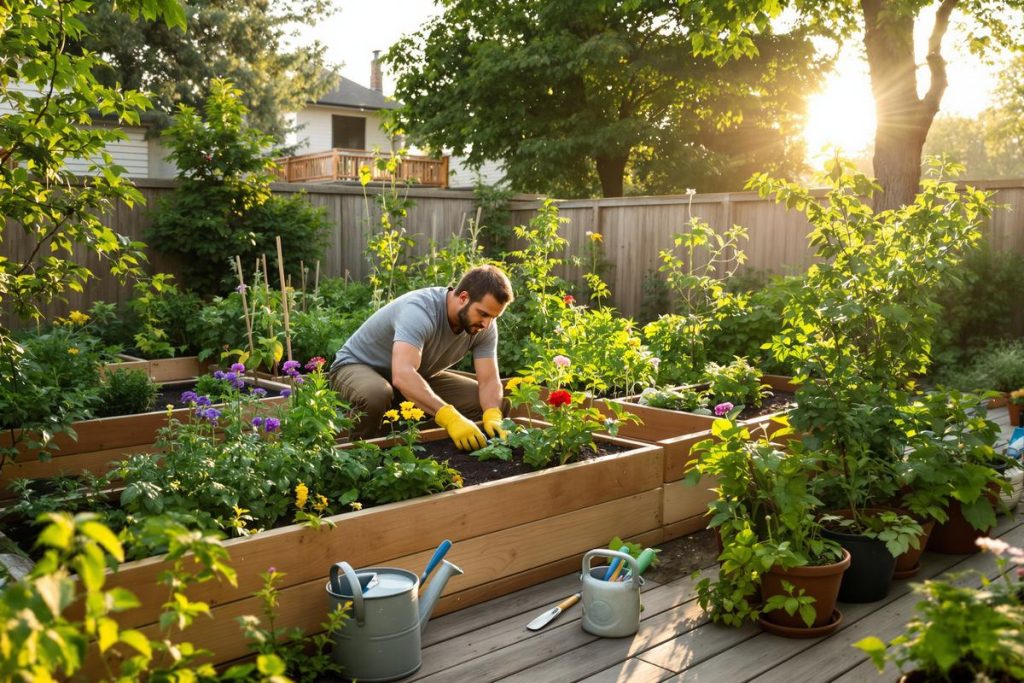
- Quick weeding: Pull out small weeds before they grow deep roots. Keep a small bucket nearby and do a little each day.
- Touch-test the soil: Stick your finger one inch into the soil. If it feels dry, it’s time to water.
- Smart watering: Only water what needs it—target the base of the plant, not the leaves. Morning or late afternoon is best.
- Deadheading & trimming: Pinch off spent blooms and snip back dying leaves. This boosts growth and keeps things tidy.
- Bug patrol: Check under leaves and near soil for insects. Look for signs like sticky spots, webbing, or tiny holes.
- Rotate pots or planters: Give all plants equal sun exposure by rotating them every few days.
- Plan ahead: Notice plants that look crowded or outgrowing their pots. This helps you prep for replanting or pruning later.
Seasons matter: tweak your routine
Your 10-minute routine will shift a bit depending on the time of year. Understanding seasonal changes lets you adapt smoothly without stress.
Spring
- Focus on pruning winter damage and encouraging new growth
- Watch for pests as temperatures rise
- Start planting hardy annuals
Summer
- Check soil moisture daily—heat dries things out fast
- Water deeply but less often to encourage root growth
- Harvest fruits and veggies regularly to keep plants productive
Fall
- Remove dead plants and start composting
- Plant fall flowers like mums or ornamental cabbage
- Mulch heavily before frost hits to protect roots
Winter
- Protect plants with fabric or covers during frosts
- Water indoor plants sparingly and ensure drainage
- Check stored bulbs for mold or rot
Tools to keep nearby
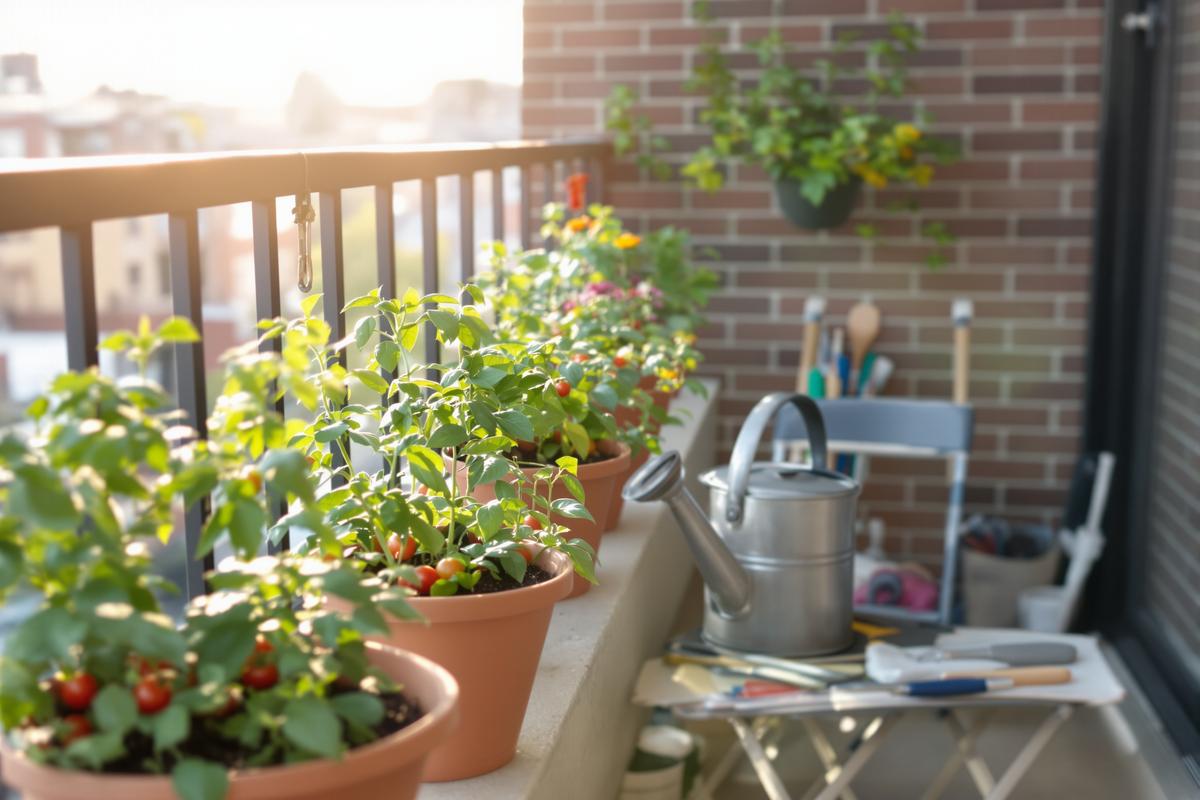
A few essential tools speed up your routine. Keep them in a small bucket or garden caddy so they’re always ready:
- Hand trowel (for digging and loosening soil)
- Small pruners (for trimming stems and deadheading)
- Gloves (to protect your hands from thorns and bugs)
- Watering can or hose with spray nozzle
- Organic pest spray (in case you spot an early infestation)
Common mistakes to avoid
Even with just 10 minutes, a few missteps can undo your progress. Here’s what to watch out for:
- Overwatering: A soggy plant can rot. Check the soil first—don’t guess.
- Ignoring pests: Bugs multiply fast. One ignored leaf can turn into a full-blown invasion.
- Neglecting pruners: Dirty tools can spread disease. Wipe them down every few days.
- Doing everything at once: Stick to a little each day. Weekly marathons burn you out quickly.
Make it a habit—rain or shine
Creating a simple 10-minute rhythm turns garden care into a stress-free ritual. You don’t need to love gardening—just stick to the habit. Over time, you’ll notice your plants becoming fuller, healthier, and more beautiful.
Keep your tools ready. Treat it like brushing your teeth—quick, routine, and essential. Those 10 minutes could end up being your favorite part of the day.