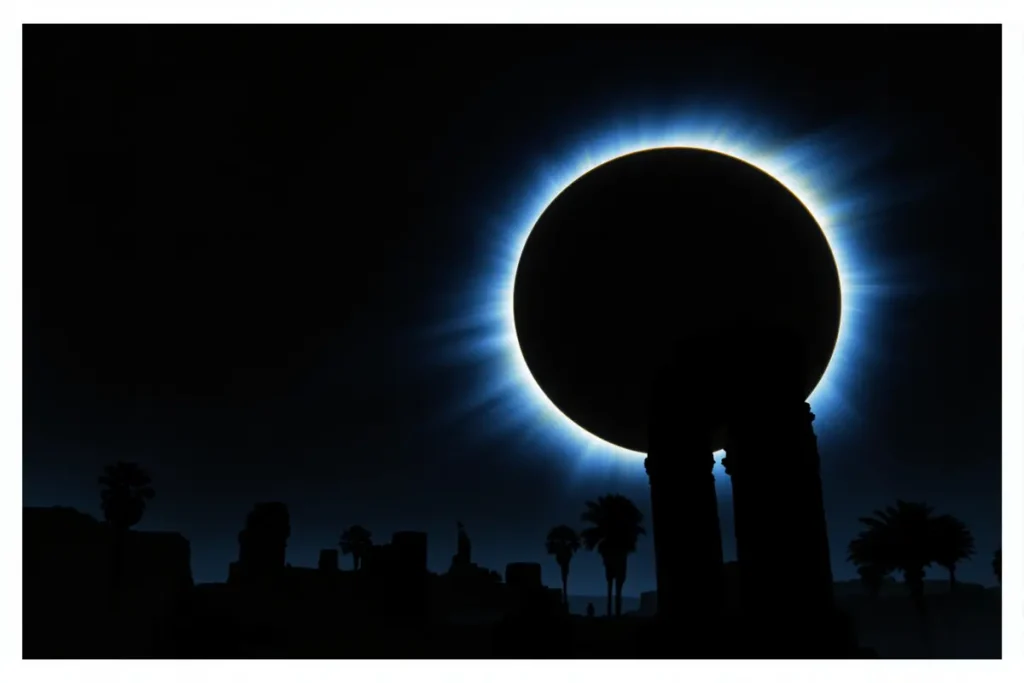
What if the sky went completely dark in the middle of the day—and stayed that way for six full minutes? That moment is coming, and it’s capturing the imagination of skywatchers worldwide. Dubbed the longest total solar eclipse of the century, this spectacular astronomical event will be unlike anything you’ve ever experienced.
When and where will it happen?
Mark your calendar: August 2, 2027 is when this breathtaking event will take place. The eclipse will begin over the Atlantic Ocean, sweep across northern Africa, and end in the Middle East. Some of the best viewing spots include:
- Southern Spain
- Marrakech, Morocco
- Luxor, Egypt
- Jeddah, Saudi Arabia
Luxor, in particular, will offer one of the most dramatic views—nearly 6 minutes and 23 seconds of total eclipse. That’s more than twice as long as the 2024 eclipse in North America!
Why is this eclipse so special?
Total eclipses happen every 18 months or so, but not all are created equal. What makes this one the longest of the century?
- The Moon will be near its closest point to Earth, making it appear larger in the sky
- Earth will also be near its farthest distance from the Sun, making the Sun look slightly smaller
- The alignment between Sun, Moon, and Earth will be nearly perfect
All these factors combine to give us a rare chance to experience over 6 minutes of total darkness—a record that won’t be broken again until the year 2114.
What will it feel like?
If you’ve never seen a total eclipse before, it’s hard to describe. As the Moon slips in front of the Sun, the light fades. Shadows sharpen. The temperature drops. Animals get confused, and birds fall silent. Then—everything goes black.
In those few minutes, you’ll see the Sun’s corona, a shimmering crown of plasma that’s usually invisible. It’s so rare, so brief, and so hauntingly beautiful that people often travel thousands of miles just to witness it.
How to prepare for the eclipse
Planning ahead is key if you want the best view. Here’s what you need to do:
- Pick your viewing spot early—tourist destinations like Luxor are expected to get crowded fast
- Book accommodations in advance—some cities may sell out months ahead
- Get eclipse glasses—never look directly at the Sun without proper protection
- Check the weather forecast—clouds can ruin your view, so be ready to travel if needed
If a trip across the world isn’t an option, don’t worry. NASA and other space agencies will likely broadcast the eclipse live. But if you have the chance to see it in person, it might just be the most unforgettable six minutes of your life.
Stay safe while watching
Looking directly at the eclipse for even a second can cause serious eye damage. Use only certified solar viewing glasses or eclipse filters. Regular sunglasses don’t offer enough protection!
You can also view the eclipse safely using indirect methods like a pinhole projector. It’s a fun and educational DIY activity, especially for kids.
Final thoughts: don’t miss it
Total solar eclipses are rare. Ones that last more than 6 minutes? Practically once in a lifetime. So whether you’re planning a desert adventure in Egypt or simply tuning in online, set a reminder for August 2, 2027.
This isn’t just another celestial event. It’s a moment of shared wonder—a darkening of the skies that connects people around the world.