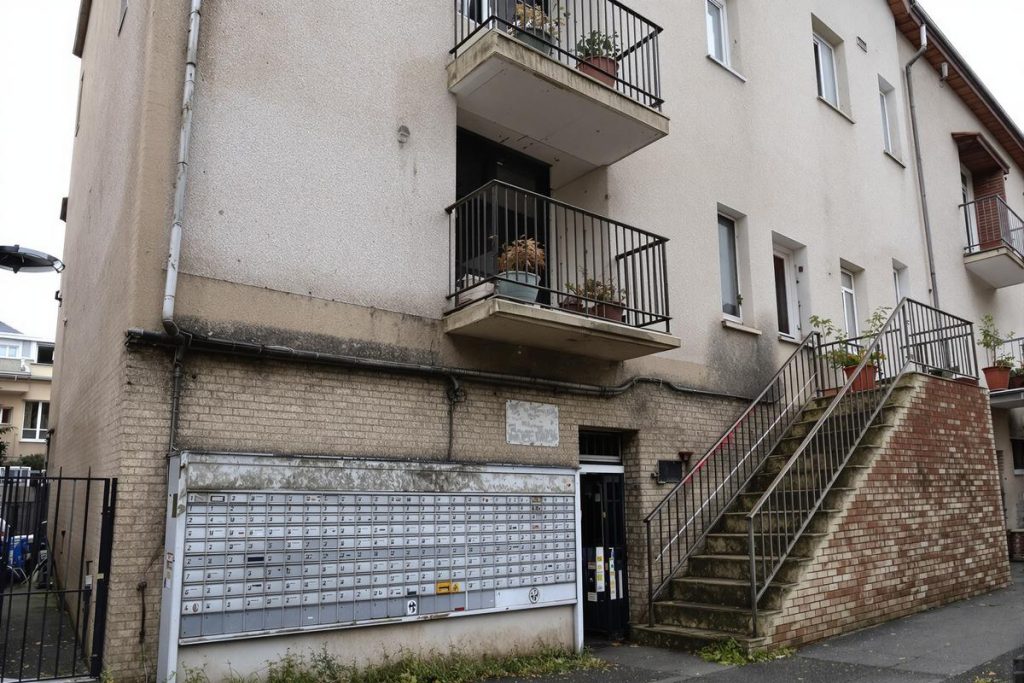
What happens when a neighbor’s casual remark becomes the spark that might force a woman from her home of many years? That’s the heart of an unfolding case in France, where a retiree’s long absences from her subsidized apartment have landed her in a legal fight she never expected. For some, it’s a question of housing justice. For others, it’s a matter of human decency.
A tenant accused of turning a home into a getaway
The tenant at the center of this story is a woman in her seventies. She holds a lease on a social housing apartment in a working-class building. But according to her landlord, she hardly lives there. Instead, officials say, she spends most of her time hundreds of kilometers away—visiting family or staying with her partner. Her rent is low because of public subsidies, and these flats are only meant to be used as main residences.
In France, strict rules govern social housing. Tenants must:
- Use the apartment as their primary residence
- Live there regularly, not just drop by
- Report changes in household or income
The landlord claims the woman broke those rules. Neighbors said they hadn’t seen her in years. Electricity and water records showed little use. Staff noticed mail piling up. Based on all that, the landlord decided to terminate her lease.
Her defense: “This is still my home”
The woman isn’t giving up. She’s fighting the eviction in court. Her argument? She didn’t abandon the apartment—she just doesn’t live there full time. She still:
- Keeps the place fully furnished
- Pays rent regularly
- Maintains insurance
- Returns several times a year
For her, the flat remains a base. It’s an important emotional anchor tied to her life, even if age and health keep her away more often.
Her lawyer points to ambiguous legal language. French law defines a main residence as where a person “normally lives” and keeps family or social ties. But what does “normally” mean for a retired person who divides their time between locations?
Courtroom duel: home vs. housing shortage
Social landlords have come under increasing pressure. Thousands of families are stuck on waiting lists for social housing. Flats sitting half-empty are seen as a problem, especially when people are living in shelters or cramped hotels.
The landlord says this case is about fairness. If one person uses a low-cost apartment like a second home, someone truly in need goes without. Reports against the woman mention:
- Long absences and low water use
- Rare appearances noted by residents
- Mail piling up at the door
But judges are unlikely to decide on one clue alone. In similar disputes, courts often consider:
- Where a person receives tax and official mail
- How often they stay at the address per year
- Where their close family lives
- Historical patterns of utility use
- Whether they’ve sublet or left the property to others
If this tenant can show she genuinely returns and maintains emotional and legal ties to the flat, she might win. But decisions often rest on the full picture, not just personal feelings.
The emotional cost of eviction
For older adults, eviction has a special sting. Many move into social housing after a divorce, illness, or job loss. The flat becomes a symbol of stability built over time. Losing it doesn’t just mean changing address. It may feel like erasing part of a life.
Think of the routines: the pharmacy that knows your prescriptions, the neighbor who checks in when you fall, the doctor who remembers your story without opening your file. Even if tenants sleep elsewhere temporarily, these connections give their home ongoing meaning.
Could this happen to others?
This case has stirred worries among other aging social tenants. Can short absences—due to illness, a hospital stay, or time with family—put their leases at risk?
Experts recommend steps to help protect your rights if you split time between homes:
- Keep evidence of visits like travel tickets or receipts near the apartment
- Talk openly with the landlord about any long absences
- Make sure tax, insurance and medical paperwork lists the correct main address
- Gather proof of health challenges that limit independent living
These don’t guarantee protection, but they help show transparency.
An uncomfortable question: who deserves the flat?
This case isn’t just about one retiree. It’s part of a bigger conversation about how cities allocate public housing. The tension between rigid rules and real human lives is only growing, especially as the population ages and housing becomes tighter.
Today, more people live fluid lifestyles. Pensioners follow adult children, split time between towns, or seek care in other places. But the law often expects individuals to have just one fixed, consistent address.
So where do we draw the line? And who decides?
Whether this woman wins or loses her case may not settle that debate. But it highlights how deeply home and identity are connected—and how fragile those connections can become under the weight of bureaucracy.