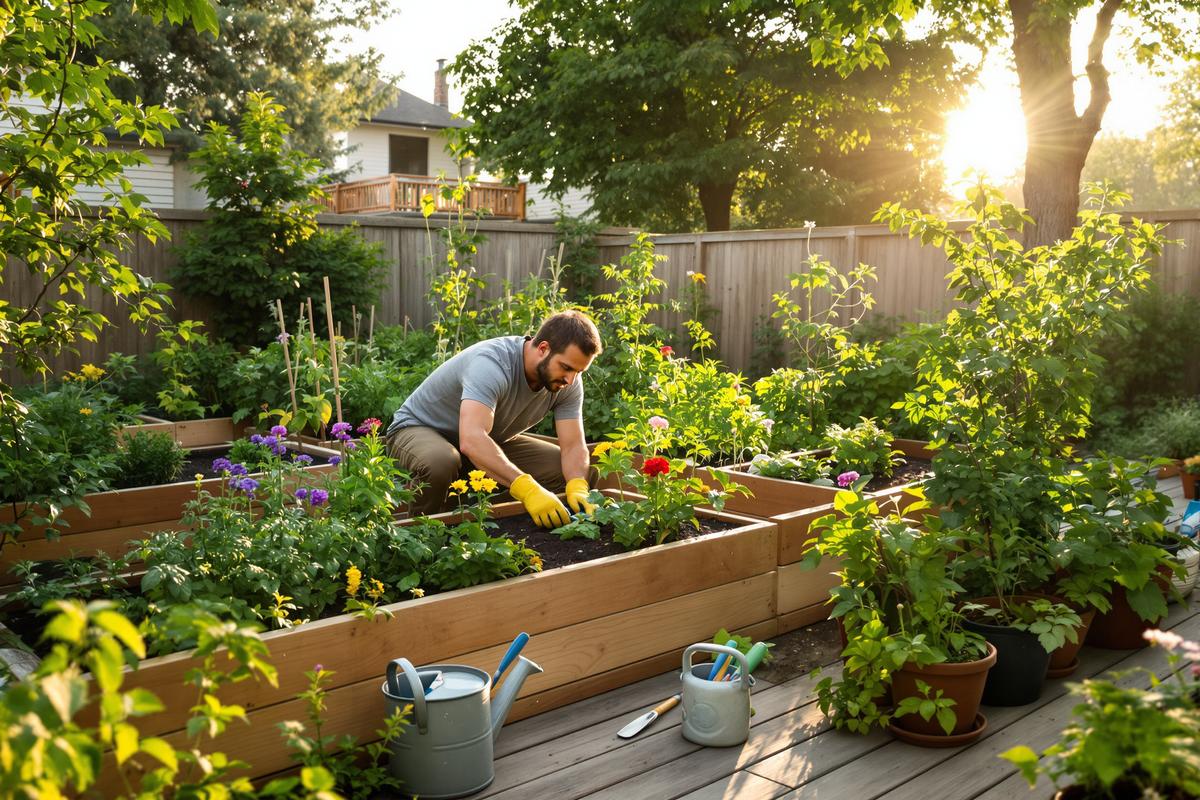
Dreaming of fresh tomatoes or fragrant basil but have no clue how to begin? Don’t worry—you’re not alone. Starting a small garden might seem overwhelming, especially if you’ve never touched a spade before. But here’s the good news: you don’t need fancy tools, loads of time, or even a big yard. You just need a little space, a few essentials, and the right guidance.
Start with Why: What Do You Want to Grow?
Before you run to the gardening store, ask yourself a simple question: What do you want from your garden? Do you want to grow herbs for cooking? Brighten your balcony with flowers? Try home-grown vegetables?
Here are a few beginner-friendly plants to consider:
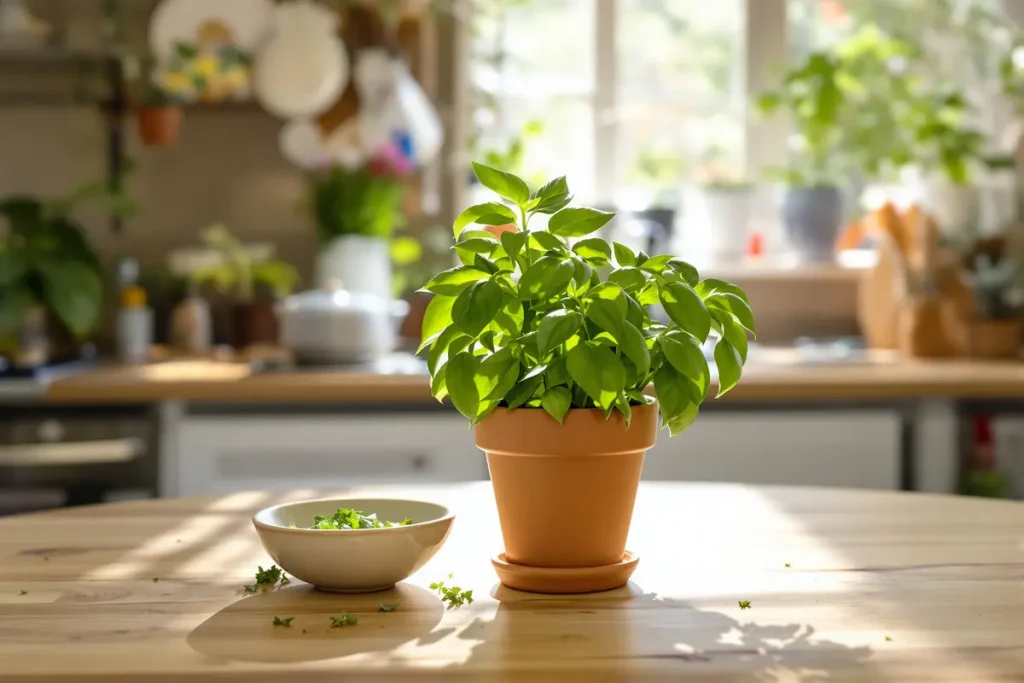
- Basil – grows fast, loves sun, great for pasta and sandwiches
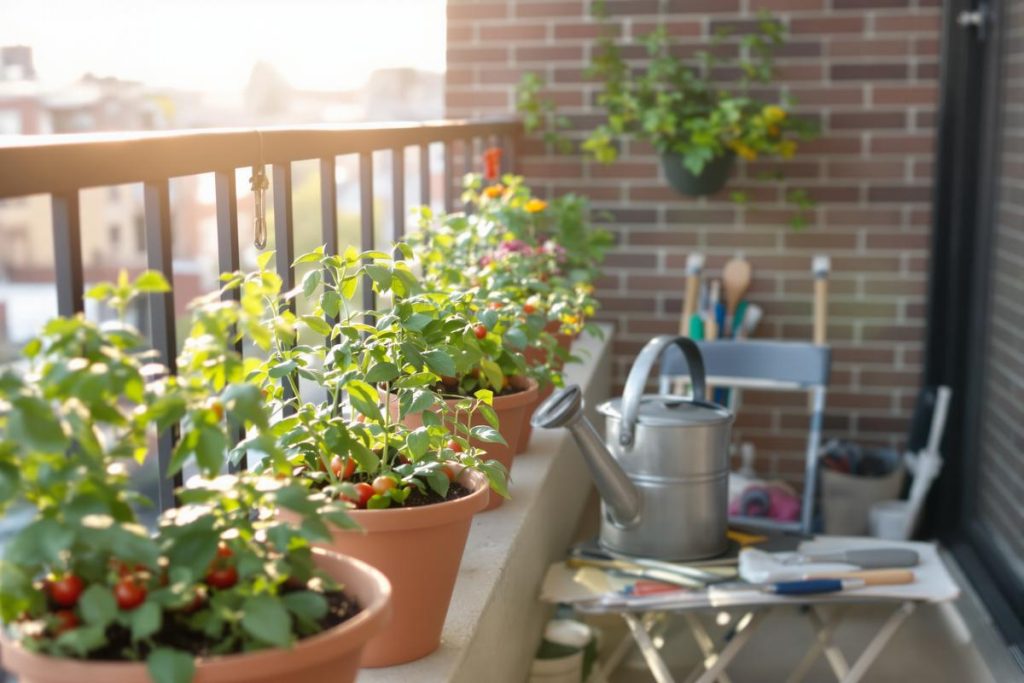
- Cherry tomatoes – easy to grow in containers, very rewarding
- Mint – almost impossible to kill, great for drinks and teas
- Green beans – fast-growing and fun to pick
- Marigolds – simple flowers that help keep bugs away
Pick just 2–3 to start. That keeps things manageable while you learn the basics.
Find a Spot with Sunlight
No yard? No problem. Many plants can grow in pots on a balcony, windowsill, or even a front step. The key is sunlight. Most herbs and vegetables need at least 6 hours of direct sunlight each day.
Not sure how much sun your space gets? Observe it during the day. You can even use your phone to track sun patterns. South-facing balconies are perfect. North-facing windows may struggle.
Choose the Right Containers
If you’re using pots or containers, make sure they:
- Have drainage holes so extra water can escape
- Are deep enough for roots (at least 6 to 12 inches, depending on the plant)
- Are made of durable material and placed in a sunny spot
You can use traditional terracotta pots, plastic bins, or even repurposed buckets. Just don’t forget those drainage holes—they matter more than you think.
Get Good Soil and Seeds
Your plants need more than just dirt from your yard. Pick up a bag of potting mix—not “topsoil” or “garden soil.” Potting mix is loose, drains well, and is perfect for small containers.
As for seeds or starter plants, go for quality. Most garden centers sell organic, non-GMO seeds and plant starters in the springtime. You can also browse nurseries or farmers markets for healthy little plants ready to grow.
Water—But Not Too Much
New gardeners tend to either forget to water or overdo it. Here’s a reliable rule: stick your finger in the soil. If the top inch feels dry, it’s time to water. If it’s still damp, wait a day.
Water deeply until you see it run out the bottom. Morning is the best time to water so the leaves have time to dry during the day.
Watch, Learn, and Grow
Once your plants are in and growing, the real learning begins. You’ll start noticing tiny changes—new leaves, buds, or even a few bugs. That’s normal. Gardening is about observation just as much as action.
Here are a few beginner tips to stay on track:
- Check your plants daily for signs of thirst, drooping, or pests
- Snip off any yellow or dead leaves
- Use a natural fertilizer like compost every 2–4 weeks
- Don’t be afraid to replant if something dies—it happens to everyone
Keep It Simple and Enjoy It
You don’t need to grow a perfect garden to feel proud or excited. Even one thriving basil plant on your windowsill can bring joy—and flavor—to your kitchen. Mistakes will happen, but every small win adds up.
So take that first step. Pick your plants, grab your pots, find the sun. You’ve got this, even if you’ve never gardened before.