When the frosty air rolls in and the world quiets under a sheet of December cold, your garden doesn’t have to go silent. With a simple, affordable change, you can turn your backyard into a welcome station for birds—one they’ll remember and return to, morning after morning.
Why December Changes Bird Behavior
Winter flips the script for birds. Insects vanish. Seeds hide under snow. Daylight shortens. Suddenly, their survival depends on fast, reliable meals. By December, what was just a snack in fall becomes their lifeline.
Small birds especially need help. They burn through their fat overnight just to stay warm. Come sunrise, they desperately need energy to make it through the day. That’s where your feeder can become their saving grace.
The Cheap Treat Birds Can’t Resist
The secret weapon? Suet—a fat-based food that’s high in energy and loved by insect-eaters. Most suet is made from rendered beef fat and mixed with seeds, nuts, dried fruit, or insects. It’s easy to handle, can be hung in small spaces, and most of all—birds flock to it.
- A single suet block often costs less than a cup of coffee
- It can feed birds for several days
- Offers more than double the calories per gram compared to seeds
Why Suet Works So Well in Winter
In cold months, birds look for three things: energy, reliability, and safety. Suet ticks all three boxes.
- Energy: Fat is a dense fuel source for keeping body heat up.
- Reliability: Properly stored, suet doesn’t spoil easily in cold temps.
- Safety: Birds can grab a quick energy boost without sticking around too long and risking predators.
Once birds find a suet feeder they can rely on, it becomes part of their daily GPS. You’ll start seeing the same chickadees or robins each morning, arriving like clockwork at sunrise.
Setting Up a Suet Station That Birds Remember
It’s not just the treat, it’s how you serve it. Smart setup makes a big difference.
The Best Spot for Your Feeder
- Near cover: Place it close to shrubs or small trees so birds have a safe escape zone.
- Out of the wind: Helps birds stay warm while feeding and keeps the feeder stable.
- Visible from the sky: Makes it easier for birds flying overhead to spot.
- Away from windows: Prevents collisions if birds need to flee fast.
Timing Is Everything
Birds wake up hungry and cold. They need fuel right after sunrise. If you restock your feeder at dusk, it’ll be ready for them at first light. Avoid waiting until late morning—you’ll miss the prime window when birds are most in need.
Stretching Your Bird-Friendly Budget
Don’t want to buy packaged suet all season? Try making your own. Just be sure it’s safe.
DIY Fat Mix: What Works
- Use unsalted beef fat from cooking or a butcher
- Add seeds, oats, nuts (chopped), or dried fruit
- Let it cool and set in small containers or molds
What to Avoid
- No salty or spiced drippings—salt is harmful to birds
- No greasy fat on bread—can smear feathers and harm waterproofing
- No moldy items—can spread illness fast
If the weather suddenly warms, switch temporarily to sunflower hearts or a seed-and-nut mix. Softened suet can become messy and unsafe in milder temps.
Who Will Show Up at Your Feeder?
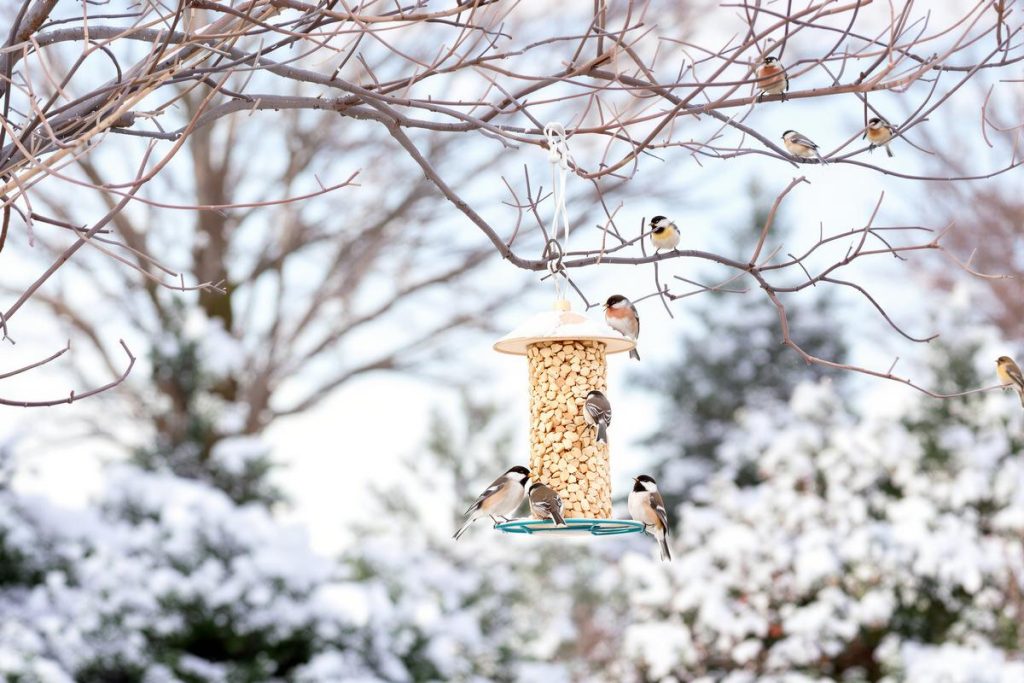
The answer depends on where you live. But in both North America and Europe, small birds with fast metabolisms will be your main guests.
- North America: Chickadees, tufted titmice, nuthatches, juncos, and downy woodpeckers.
- UK/Europe: Blue tits, great tits, robins, long-tailed tits, and woodpeckers.
Bonus: Suet feeders with mesh or cages often deter larger birds like pigeons and crows. That leaves more room for your core feathered crowd.
Keeping Feeders Clean and Safe
Winter may feel clean, but disease can still spread fast on dirty feeders. Keep things healthy with a quick routine:
- Clear away old or damp suet before adding fresh
- Wash feeders in hot, soapy water every couple of weeks
- Rake droppings and shells underneath to avoid buildup
- Rotate feeder spots slightly if the ground gets mucky
This helps prevent diseases like salmonella and protects the very birds you’re trying to help.
Add Variety for Bigger Impact
Suet may be the star, but a few extras can build a full buffet that brings back even more visitors:
- Seed trays: Especially with black oil sunflower seeds
- Clean water: Refilled daily, ice broken often
- Mild cheese or soaked raisins: A pick-me-up for robins and thrushes
Water often gets overlooked in winter. But when birdbaths freeze, thirsty birds head for risky puddles. One shallow, unfrozen bowl beside your feeder can draw them in—and keep them longer.
One Block of Fat Can Change a Whole Garden
It seems small, but that suet cage hanging outside your window? It changes things. The more gardens that offer these energy stops, the better local bird survival becomes.
Suddenly, you’re not just feeding birds. You’re part of a quiet winter rhythm—one where birds turn from shadows to familiar faces. That chipped-beak woodpecker, the tiny flock of blue tits—they become part of your mornings.
Keep the Momentum Going
When spring approaches, don’t just stop. Shift your feeder blend slowly to include more seeds, mealworms, and fruit. Your birds will still check in, hoping their favorite breakfast place hasn’t disappeared.
So hang that suet block. Top it off each evening. And each December morning, step out to a flurry of wings, a flash of color, and the quiet joy of knowing your small action made a big difference.