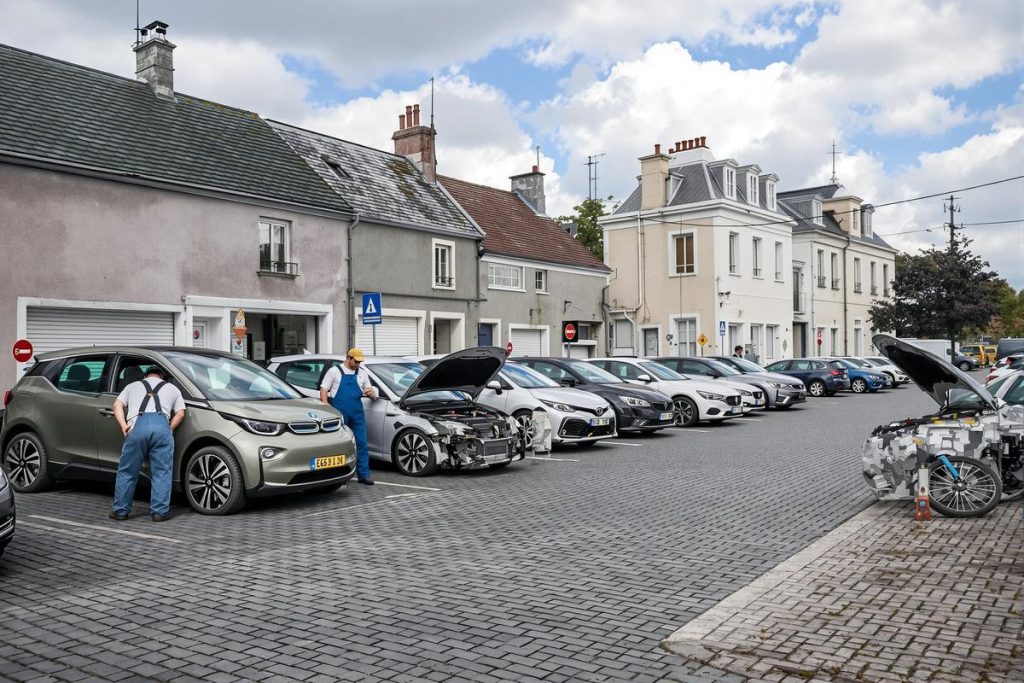
China is throwing down a bold new line in the global auto industry—and it could reshape what ends up in your driveway. For years, many cheap Chinese cars made their way overseas with attractive prices but questionable long-term value. Now, Beijing is changing the rules. And that shift could ripple through French roads and beyond faster than anyone expected.
The End of “Good Enough” for Export
For a long time, China’s car export strategy focused on volume. Many manufacturers shipped out basic, end-of-line models to price-sensitive buyers abroad. Countries like France saw a wave of unknown brands offering touchscreen-filled cabins at deeply discounted prices. But those deals often came with hidden headaches—delayed repairs, poor software, and no clear spare parts availability.
That’s changing. Chinese authorities are planning to ban exports of low-quality vehicles, especially those that don’t meet key durability, safety, and maintenance standards. That includes:
- No reliable access to replacement parts
- Lack of certified service networks abroad
- Weak corrosion protection for European climates
- Missing driver-assistance features expected in modern cars
In short, if a vehicle can’t survive—and thrive—outside of China’s borders, it may not be allowed to leave at all.
Why France Became Ground Zero
French drivers facing inflation, fuel costs, and long EV waiting lists quickly jumped on cheaper alternatives. These Chinese models wooed customers in rural dealerships and online ads, offering good style and attractive monthly payments.
But over time, the true cost of bargain cars started to show. Owners began to report:
- Months-long waits for basic body panels or electronics
- Software bugs with no clear fix or support
- Warranty issues that were impossible to address
- Crushed resale values—with cars becoming scrap after minor damage
This threw a harsh spotlight on the fragility behind the flashy prices. One missing part was sometimes enough to leave a whole car stranded.
China’s New Playbook: Reputation Over Volume
Beijing now sees the global perception of Chinese cars as a critical issue. With China already the largest auto exporter—leapfrogging Japan and Germany—its next step is about building brand trust and technology credibility. That means saying goodbye to disposable exports and aiming for premium, long-lasting machines.
This new export model helps China:
- Protect domestic brands investing in innovation
- Reduce trade tensions with Europe and North America
- Boost the rollout of EVs with reliable parts and software pipelines
The goal isn’t just more cars—it’s smarter, safer, and globally trusted vehicles.
What French Drivers Can Expect
This shift might soon clear out the lowest-cost options, especially those with murky origins. But it also brings new advantages for buyers:
- More established brands with clearer service plans
- Stronger warranties tied to real-world parts delivery
- Local dealership networks for faster repairs
- Reliable software updates and diagnostic support
Prices may inch up slightly at the low end. But for many households, paying a little more beats the annoyance of owning an unfixable car.
Electric Cars and the Need for Long-Term Support
Many of the cars affected by China’s export ban are electric vehicles (EVs). And when EV parts go missing, the results can be crippling. Here’s why:
| Component | Risk | Impact |
|---|---|---|
| Battery Modules | Discontinued models, no available replacements | Car immobilized, high cost to replace |
| Power Electronics | No foreign stock, long wait times | Weeks off the road, tempted to scrap early |
| Software Support | No updates or fixes available | Range loss, charger issues, safety risks |
To prevent this, China now wants proof from exporters that they can sustain parts, update software, and deliver post-sale support for years. That also helps its claim that EVs are a greener, smarter choice—not short-term tech gimmicks.
Europe’s Auto Industry Faces a New Challenge
Ironically, this pivot makes things tougher for European carmakers. Before, they warned that cheap Chinese imports would undercut local jobs and quality. Now they face battle-tested competitors with cutting-edge technology and government support.
To keep up, European brands may need to step up their game, especially in:
- Charging speed and real-world EV range
- Over-the-air software features
- Straightforward pricing on batteries and digital extras
- Long-term guarantees for critical parts
China wants its automakers to compete head-to-head with the best—not just the cheapest.
How You Can Buy Smarter Today
Until China’s policy takes full effect, French consumers still need to shop carefully. Here’s how to protect yourself:
- Identify the official importer and their track record in France
- Demand written guarantees for parts availability (8–10 years ideally)
- Ask about local service support with proper diagnostic access
- Check insurance, especially for EVs and their electronics
- Look for real owner reviews, not just paid influencer content
This doesn’t just apply to Chinese brands. Startups and lesser-known European models can also pose risks if spare parts are nonexistent.
More Than Just a Policy—A Shift in How We View Cars
This Chinese rule isn’t just policy—it pushes a bigger question. What does “usable” mean in today’s car world? For EVs, lifespan depends on software updates, supply chains, and engineering decisions made far from the steering wheel.
Some European policymakers are now talking about setting minimum support periods for high-voltage components—so a minor failure doesn’t send a five-year-old car to the scrapyard. Even insurance companies are weighing in, lobbying for better repair options and part accessibility.
Think of your next car less like a simple machine and more like a connected, high-tech device you might keep for a decade. If it can’t be repaired—or updated—it may not be worth the low sticker price.