Say goodbye to the cool, sleek look of microcement. In 2025, a new material is stepping in—and it’s warmer, softer, and much more in tune with how people actually live day to day. If you’ve been dreaming of a renovation that balances beauty with comfort, this rising star might be just what your home needs.
Why microcement is fading out
For years, microcement was the go-to surface for modern makeovers. It gave bathrooms, kitchens, and floors a smooth, continuous finish that looked elegant and clean. No grout lines, no busy patterns—just cool industrial calm.
But the shine is wearing off. Why?
- It’s difficult to install and needs trained professionals.
- Cracks and stains are common if applied incorrectly.
- Repairs can be tough and pricey.
- It feels cold and hard—less inviting for homey spaces.
What looked good on showroom floors doesn’t always feel right after months of real-world living. Greasy kitchen splashes, soap scum, humid showers—it all adds up.
The new trend for 2025: Lime-based mineral plaster
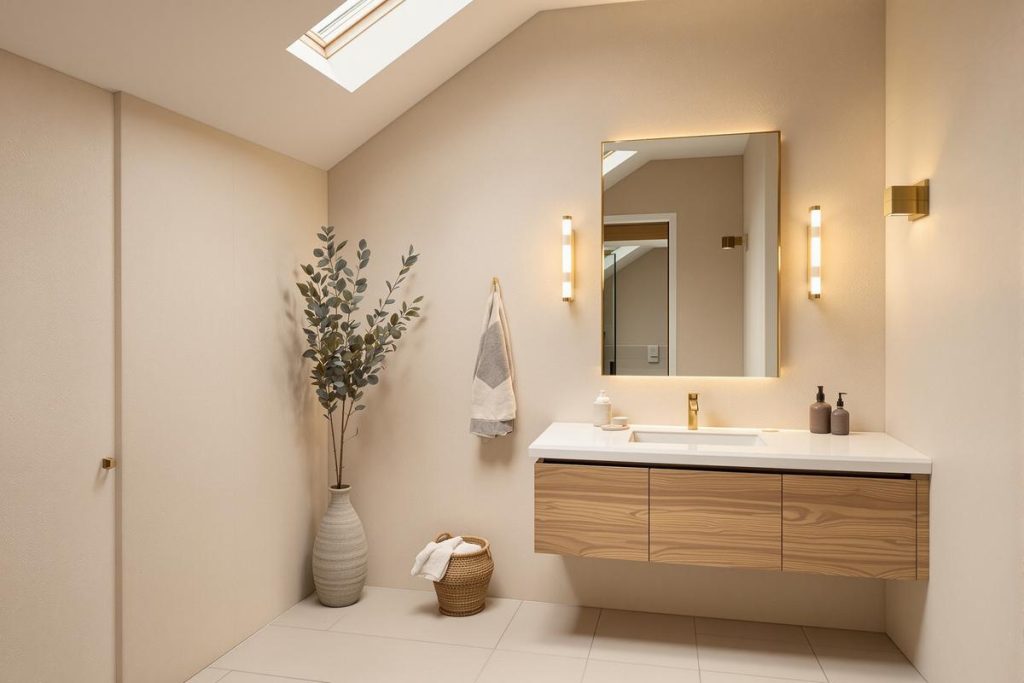
Replacing microcement is a warmer, more forgiving material: mineral lime-based plaster. Inspired by timeless techniques like Venetian plaster, it brings rich texture and gentle color shifts while keeping that smooth, seamless look people love.
Designers are falling for it fast, especially for bathrooms and kitchens. Here’s why:
- Soft texture adds warmth to any space.
- More breathable—great for moisture-heavy rooms.
- Hides small marks better than flat microcement.
- Naturally resists mold and bacteria.
What’s the difference: microcement vs lime-based plaster?
Both finishes look smooth and joint-free from afar, but up close they tell a very different story. Here’s how they compare:
| Feature | Microcement | Lime-Based Plaster |
|---|---|---|
| Look | Sleek, industrial, flat | Softly textured, natural |
| Feel underfoot | Hard, cold | Softer, more tactile |
| Breathability | Low | Very high |
| Crack resistance | Can crack easily | More flexible with cracks |
| Eco friendliness | Cement-based, high carbon | Lime-based, low carbon, some recycled content |
| Maintenance | Needs sealing and care | Sealed, but forgiving texture helps |
Designers love the benefits in wet and busy rooms
Bathrooms and kitchens are leading the switch. Lime-based plaster not only looks and feels cozier—it helps the space manage moisture and wear.
- Prevents mold growth naturally.
- Breathes through humidity spikes.
- Soft texture masks splashes, limescale and stains.
- Color tones—like clay, sage or warm beige—show beautifully on it.
It’s a calmer, warmer feel that many people now prefer over the old grey concrete aesthetic.
The mood has changed—and so have color trends
Grey floors and walls that once screamed “modern” now feel a bit outdated. In 2025, homes are shifting toward natural vibes: quiet tones, earthy textures, and surfaces that show a human touch.
Lime-based plaster creates this mood perfectly. Thanks to its hand-applied nature, you can often see gentle trowel marks, cloudy finishes, and organic movement—giving your room character without any bold design tricks.
Is it right for your renovation?
Before you decide, it’s smart to ask a few questions:
- What’s the surface used for? Heavy traffic or relaxed space?
- Is the base stable? Might it move or shift?
- Do you want ultra-clean lines or something more organic?
- Can you handle occasional maintenance and sealing?
- Is breathability important—especially in old or damp buildings?
In many cases, lime plaster wins on comfort, looks and practicality. It’s forgiving, natural, and fits today’s softer, more grounded interior style.
Some potential drawbacks to keep in mind
No material is perfect. This one has a few things you should know:
- Still needs skilled hands—DIY options are limited.
- Can be damaged by sharp objects or harsh cleaners.
- Matching older colors for small repairs can be tricky.
- Not the cheapest—more affordable than high-end microcement, but pricier than plain paint or tile.
Also, in super modern, sharp-edged spaces, the softness of lime plaster might not be the best match. It leans into warmth and subtlety.
How it affects your timeline and budget
Here’s what current project data shows:
- Microcement floors still cost more than almost any other continuous finish.
- Lime plasters cost less—usually between premium paint systems and microcement.
- Faster installation and fewer layers can mean lower labor costs.
Some homeowners use it just behind showers or on feature walls, mixing it with cheaper tiles or vinyl flooring elsewhere. This strategy can stretch your budget without sacrificing style.
Real project example
A 6 m² bathroom with shower walls, typical ceiling height, and a tiled floor can cost significantly less using lime plaster on the walls versus full microcement. The savings have allowed some clients to upgrade lighting or buy better faucets.
What’s next in surface materials?
Lime plaster may be leading in 2025, but it’s not the last word. Watch for more clay-based plasters, plant-infused coatings, and hybrid materials made from recycled content.
Before you choose a finish, try walking barefoot on some samples. Feel their texture, temperature, and how they respond to light. You’ll know right away which one makes a room feel like home.
This turn away from cold, perfect surfaces toward hand-crafted, adaptable materials signals something bigger: homes are spaces to live in, not just to photograph. And the materials we choose should reflect that, beautifully.