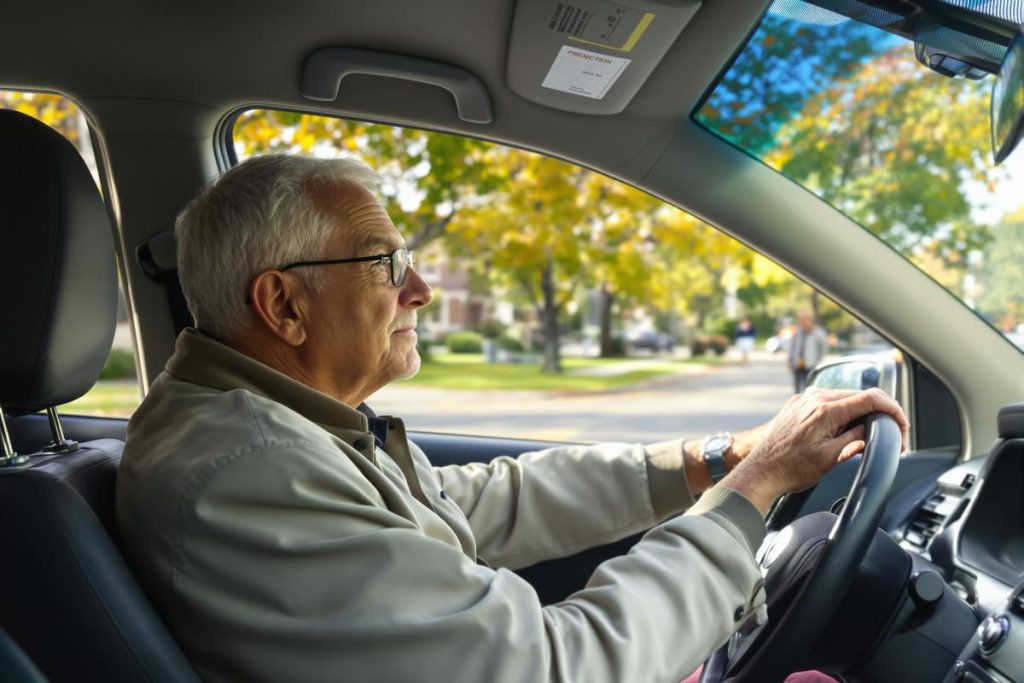
If you’re over 70 and behind the wheel, chances are you’ve heard some rumors: “Will I lose my driver’s license in 2025?” The answer isn’t as simple as a yes or no. But one thing is clear—regulations are changing, and it’s time to understand what’s really happening.
Are Licenses Automatically Taken Away at 70?
No. As of now, turning 70 doesn’t mean you automatically lose your license. There’s no law—either in the United States or across Europe—that mandates a license be pulled just because of a birthday.
However, governments are re-evaluating senior driver policies. With an aging population and rising road safety concerns, more checks and renewals could be coming soon.
So, What Might Change in 2025?
While many people fear an automatic license ban after 70, 2025 is more likely to bring tighter screenings—not outright removals.
- Vision tests might become mandatory at fixed intervals after age 70.
- Medical assessments may be required for renewal in some regions.
- License renewal periods may shorten for older age groups.
- Doctors could be encouraged to report patients who may be unfit to drive.
The rules are still being drafted, and they’re different in each country or state. What’s clear is that automatic license cancellation at 70 is not currently in place.
How Current Rules Handle Older Drivers
Instead of age alone, most places emphasize health, vision, and safety behavior. Here’s how some countries handle it:
| Country | Age Trigger | Main Rule for Seniors |
|---|---|---|
| UK | 70 | Must renew license every 3 years via self-declaration (no test) |
| France | No fixed age | Medical checks mostly for professional drivers; GPs can report safety concerns |
| Germany | No fixed age | No mandatory checks; assessments usually voluntary |
| Spain | 65 | More frequent medical and psychotech checks |
| US (varies by state) | 65–80 | Some states require in-person renewals, vision tests, or shorter renewal periods |
Why Age 70 Has Become the Focus
Age 70 isn’t just a number—it’s a milestone associated with common health changes that impact driving:
- Reduced night vision and slower glare recovery
- Arthritis that limits head and shoulder movement
- Slower reaction times during unpredictable events
- Cognitive changes that surface under pressure
- Side effects of medication: drowsiness, blurred vision
Still, many people well into their 70s and 80s drive safely. That’s why health status, not just age, is seen by many experts as the smarter threshold.
Are Older Drivers Actually Dangerous?
The truth may surprise you. Statistically, younger drivers under 25 cause more accidents per mile driven. They’re often less experienced and more likely to engage in risky behavior, like speeding or texting.
Older drivers tend to drive less distance, during daylight hours, and on familiar roads. While very old drivers may face higher risk of injury in a crash, they aren’t always the ones causing them.
The Role of Self-Regulation
Many seniors adapt their driving habits on their own, without laws forcing them. They:
- Avoid night driving
- Stick to well-known routes
- Limit long-distance trips
This self-awareness cuts down risk and shows why a blanket ban can be seen as unfair.
Driving and Independence
For lots of seniors, a valid license isn’t just about getting around. It means independence, accessibility to doctors, groceries, friends, and family. Losing that mobility can trigger depression, social isolation, or rapid health decline.
A rigid law could push those costs onto healthcare systems, especially in rural areas with little public transit.
What Might a Sensible Policy Look Like?
Policymakers are considering flexible, balanced options. Here’s what a more realistic 2025 plan could include:
- Regular vision and health checks tied to license renewal
- Driving evaluations with feedback instead of penalties
- Daytime-only driving licenses for borderline cases
- Clearer guidelines for doctors to flag issues
These ideas focus on skills, not stereotypes. And they involve the whole system—drivers, doctors, families, and the state.
What You Can Do Now
If you’re approaching or past 70, here are a few simple things you can do today:
- Book an eye test and talk about night vision
- Ask your doctor how your meds may affect alertness
- Take a voluntary driving assessment (available from motoring clubs)
- Plan alternative transport options—just in case
- Have open conversations with family if driving feels harder
These steps help you stay in control, rather than waiting for new laws to make the decision for you.
The Bottom Line
Despite rumors, no automatic license ban at 70 is coming in 2025. But discussions are active, and new rules may increase medical or vision requirements. The goal isn’t punishment—it’s safety with dignity.
If you’re a senior driver or love one, don’t wait for letters from the government. Start planning now, and you’ll be ready—no matter what the road ahead brings.