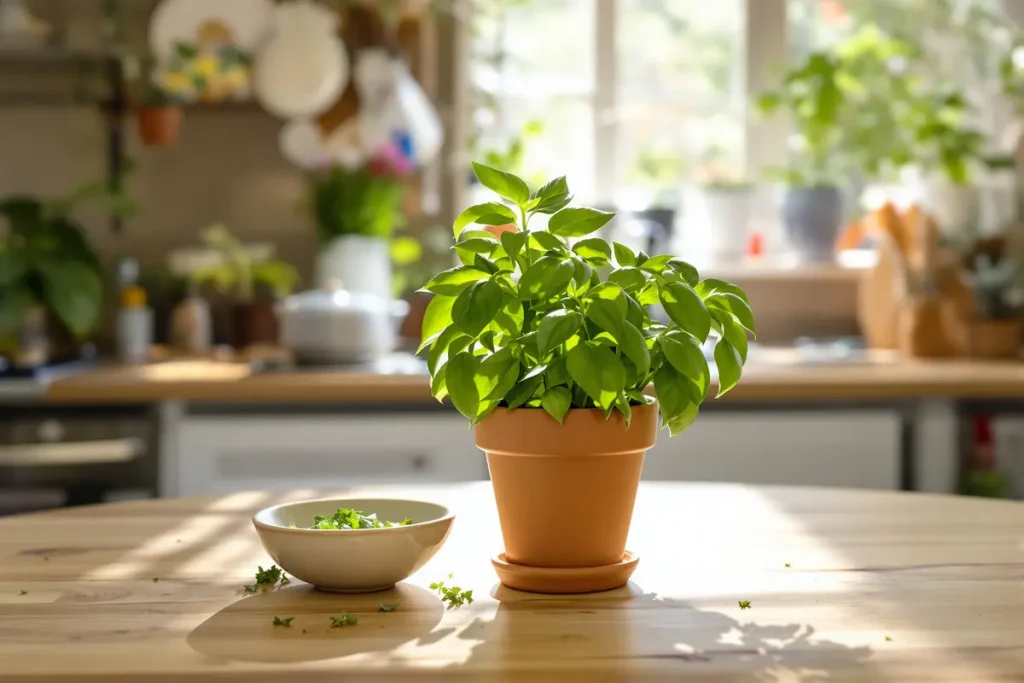
Got mice or rats sneaking through your kitchen? You’re not alone. But here’s a surprising twist—one common kitchen item could be the key to keeping them out. And no, it’s not a trap or chemical spray. Turns out, a natural scent from your pantry can send rodents running before they even get a chance to nibble.
The surprising power of peppermint
Rodents have an incredible sense of smell—much stronger than ours. While we might find peppermint fresh and pleasant, mice and rats react very differently. To them, it’s like tear gas.
Peppermint essential oil releases powerful aromas that overwhelm a rodent’s nose, causing stress and confusion. Instead of exploring, they retreat quickly to safer ground. Many homeowners now use this approach as a natural deterrent—with no traps, no poison, and no harsh chemicals.
How to use peppermint oil at home
You don’t need fancy tools to try this. What you need is consistency and a few simple supplies.
- Clean the area: Remove crumbs, grease, and old droppings—these attract pests.
- Identify entry points: Look around cupboards, under sinks, and near pipes.
- Soak cotton pads: Use pure peppermint essential oil and place the pads in small trays or lids.
- Replace regularly: Re-soak every 3 to 7 days, or more often if the smell fades.
To keep pets safe, place the pads where little paws can’t get to them—behind appliances, inside high cupboards, or under heavy furniture. Some families find that combining peppermint with strong storage habits stops infestations before they even begin.
Why this method works (and when it doesn’t)
Peppermint oil doesn’t kill rats—it changes their behavior. It makes an area feel unwelcoming, even dangerous. That’s a big win compared to poisons, which come with serious health risks and cleanup problems.
But there’s a catch. If the infestation is severe, scent repellents may not be enough. Professionals recommend pairing peppermint oil with what’s called integrated pest management (IPM). This includes:
- Sealing cracks: Block off gaps that lead inside.
- Storing food securely: Use jars or tins, not open bags.
- Cleaning spills quickly: Especially under appliances.
- Using traps or calling experts: When there’s clear nesting happening.
Peppermint oil works best as a flexible tool—a way to discourage rodents while you tackle the root of the problem.
Other smells rats hate
Rodents dislike more than just peppermint. If you’re creative, you can mix it up.
- Clove and cinnamon oils: Spicy, sharp scents that irritate rodents near bins or pantries.
- Crushed garlic or onions: They give off sulfur smells that animals avoid.
- Ammonia-based cleaners: Mimic predator urine, but use with care.
- White vinegar: Cuts grease and masks food smells.
No scent is a magic fix, but together, these can make your home a lot less inviting to pests.
Expert opinions on the peppermint trend
More people are asking pest control companies about natural repellents. Technicians in cities like London and Chicago now use peppermint as a “pressure tool”—it helps steer rodents while they inspect for nests or damaged piping.
Is this approach perfect? Not quite. Professionals still stress that smells alone can’t solve major problems. But peppermint oil offers two big advantages:
- Low cost: A small bottle goes a long way.
- Low risk: There’s no poison involved, and it’s gentle on the environment.
Important cautions before you start
Just because it’s “natural” doesn’t mean it’s totally safe. Keep peppermint oil away from pets, especially cats. It can irritate skin, eyes, and even cause illness if swallowed.
Also, beware of overconfidence. If you spot frequent droppings or hear scratching in the walls, don’t wait for the smell to work magic—get professional help as needed.
Prevention: Your best long-term defense
Peppermint oil fits best into a regular routine of prevention. Rats are smart and seasonal patterns affect behavior. Here’s a quick checklist to stay rodent-proof:
- Store dry food in sealed containers
- Wipe up messes right away
- Use metal mesh on vents where needed
- Keep outside bins closed and tidy
- Use peppermint in sheds or garages in winter
As rodent issues increase each year—partly due to milder winters—early action saves households repair costs and stress down the line.
A shift in how we see pest control
The rise of peppermint oil marks more than a clever trick—it reflects a growing desire for cleaner, safer homes without relying on toxic methods. With public concerns rising about poisons and animal welfare, even big buildings and transport hubs are testing scent-based steering tools that mimic nature instead of fighting it.
So keep that small bottle of peppermint oil handy. It’s not the whole solution—but it’s a smart first step that might just keep those sneaky whiskers at bay.