It started like any regular pet-sitting arrangement: a friendly dog sitter, a short trip, and a few check-ins via app. But what unfolded on a live camera feed shocked one dog owner to his core—and raised a question many have quietly wondered but never asked out loud: what really happens when you give someone the keys to your home?
When trust meets invasion: the hidden risk of pet-sitting
He had gone the extra mile—choosing a sitter through a trusted app with glowing reviews and a cheerful profile picture. She asked thoughtful questions, showed genuine interest, and took notes. Everything seemed perfect.
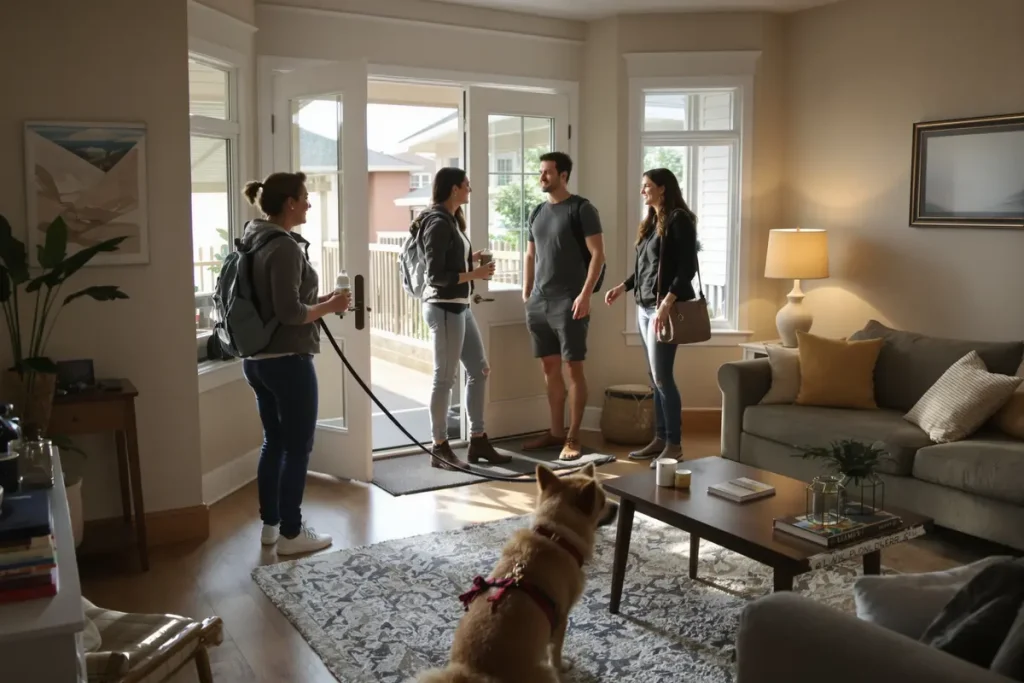
But hours into his trip, a motion alert popped up on his phone. He opened the camera feed. At first, it was her—leash in hand, greeting the dog. Then a stranger walked in. Followed by another. Within minutes, music played, the fridge opened, and his living room turned into a casual hangout spot. His dog wagged happily, none the wiser. But he was stunned.
Stories like this are more common than you’d think
This isn’t an isolated event. More and more owners have shared similar experiences behind closed doors or anonymous message boards.
- One woman in Chicago spotted her sitter drinking wine with friends on her white sofa.
- Another owner caught his sitter using the apartment as a work-from-home setup, barely interacting with the dog.
In many cases, there were no stolen items, no broken furniture. The dog got fed. Walks happened. But the unspoken boundary—your home, your space—was quietly crossed.
The result? A feeling that nags deep inside: someone made themselves too comfortable where they shouldn’t have.
Why the confusion happens
The problem often lies in expectation gaps. Owners think sitters know certain actions are off-limits. Sitters, on the other hand, assume silence equals permission.
Some platforms aren’t clear either. Their terms of service mention trust and community, but not much about whether bringing guests is allowed—or flat-out banned. That gray area can spell disaster.
Three smart steps to protect your home
You don’t need to live in fear or stop using pet sitters altogether. But you do need a strategy.
1. Set clear written rules from the start
Before confirming any booking, send a short written agreement—your own “house charter.” It doesn’t need legal jargon. Just clear bullet points:
- No guests under any circumstance without prior approval in writing.
- Cameras are active in the living room and hallway, not in bedrooms or bathrooms.
- Sleeping areas, closets, and personal office spaces are off-limits unless explicitly allowed.
It sets the tone. A good sitter won’t be offended—they’ll appreciate the professionalism.
2. Be open about your home cameras
If you’ve set up cameras for pet monitoring or security, say so upfront. Let the sitter know which areas are recorded.
This isn’t about being sneaky. It’s about setting expectations and ensuring transparency. It helps you avoid trust issues later and immediately weeds out sitters who want total privacy in your space.
3. Blend technology with intuition
Technology helps, but trust your instincts too. Watch how sitters respond when you mention rules or monitoring. Do they appear understanding or defensive?
And don’t skip the small signs: vague bios, lack of reviews, or awkward replies about house restrictions could mean they won’t respect your boundaries.
After the breach: how people react
Once that trust is broken, the emotional ripples are hard to contain. Some owners install more smart locks and cameras. Others switch to kennels or call in personal favors—even when it’s more expensive or less ideal for the dog.
None of this comes from paranoia. It comes from the simple truth that once your home feels invaded, it doesn’t feel the same again. A favorite sofa can start to feel like a stage… a kitchen like an open door.
Redefining home in the age of apps and access
So many modern services now involve letting strangers inside our homes—pet-sitting, deliveries, repairs, cleaning. And yet, what we really hire isn’t just service. It’s judgement. It’s character. It’s a shared idea of what respect looks like.
You won’t find that on a five-star review. It shows up in those unseen moments when you’re not watching—and someone chooses to be thoughtful anyway.
FAQ: What you need to know
Can a dog sitter legally bring others into your home?
Usually, not without permission. Most platforms expect guests to be disclosed. If you’ve set rules against it, breaking them can violate terms or even void insurance coverage.
Should I tell my sitter about the cameras?
Yes. Transparency builds trust. Letting them know where cameras are avoids legal trouble and shows you’re serious about your space.
What are red flags in sitter profiles?
- Vague descriptions or no mention of house boundaries
- Few or unverified reviews
- Defensive attitude when asked about home use
How do I talk about limits without seeming rude?
Keep it calm and factual. Explain that you use the same written charter for every sitter—it’s your standard practice, not a personal judgment.
What should I do if they break a rule?
Document what you saw. Save camera footage if needed. Contact the app or platform, and explain your concerns. End the collaboration decisively and leave a factual, respectful review if the platform allows it.
Final thoughts: awareness before regret
The man who saw strangers in his home didn’t overreact. He saw something many of us might miss—how quickly a smile and a leash can mask behavior that puts your comfort at risk.
Trusting someone with your dog is one thing. Trusting them with your home is another. Don’t leave the boundary unspoken. Because once it’s crossed, it’s hard to claim it back.