When winter arrives, most gardens slip into quiet shadows. But look closer, and you’ll discover something striking. Bare trees aren’t just empty—they’re stunning, sculptural, and secretly alive with energy and purpose. Stripped of leaves, trees reveal unexpected beauty and become winter’s unsung heroes, offering shelter, structure, and silent support to wildlife and your soil.
Winter trees turn your garden into living art
In the quiet of colder days, trees take center stage. Their dark silhouettes stand boldly against pale skies. Without leaves, the structure and shape of trees become crystal clear—twisting branches, elegant curves, and bold textures you may have missed all summer.
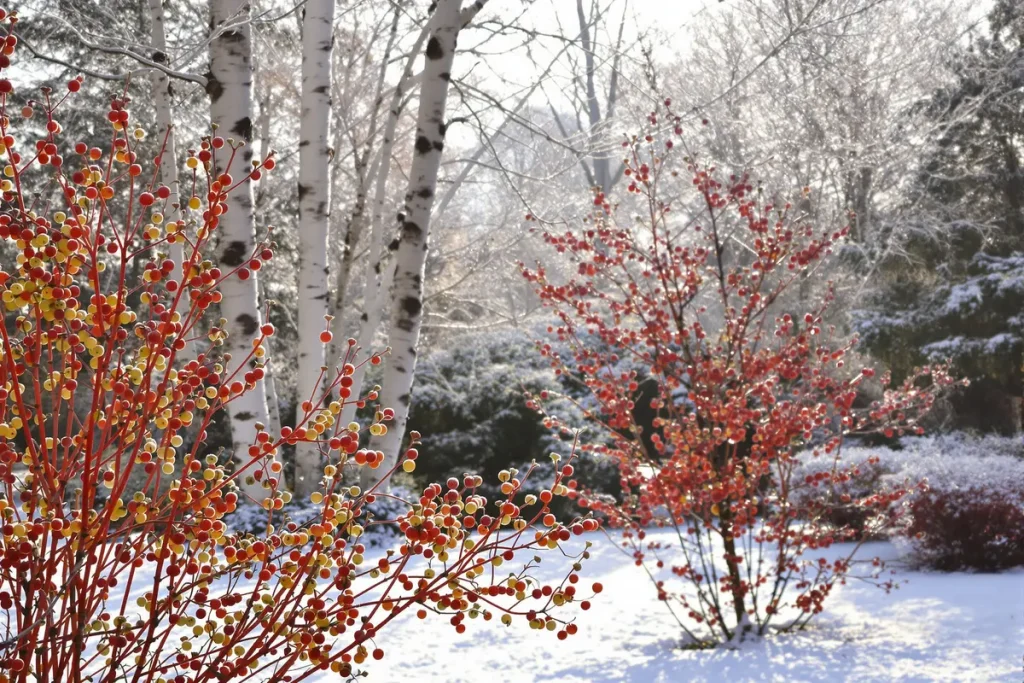
Even a single silver birch can brighten a grey day. Its white bark glows like a spotlight against dull surroundings. Shrubs like dogwoods with fiery red stems or crab apples with hanging fruit add unexpected color. Suddenly, your garden isn’t asleep—it’s putting on a quiet show.
Plant with a designer’s eye
Landscape architects often treat winter trees like sculptures. In small spaces, they choose trees for silhouette and texture, not just blossoms. Imagine a Japanese maple glowing against a brick wall or a line of hornbeams creating depth in a narrow yard. In winter, these plants don’t fade—they sharpen.
Think of your garden as a canvas. Choose trees that pop from your window view. A paperbark maple near a path draws attention with its cinnamon-colored bark. A crab apple in morning light surprises with red fruits catching frost.
Why winter trees matter to wildlife
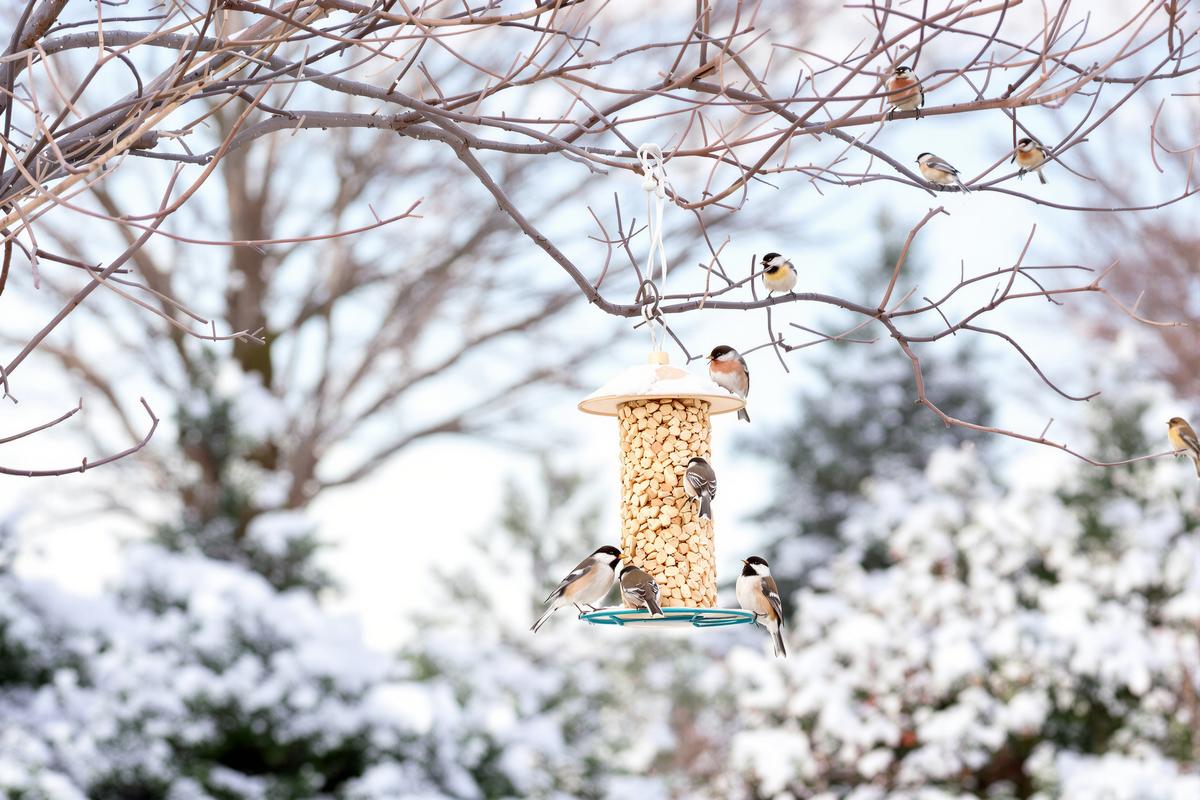
Winter trees do more than decorate. They become ecosystems. Birds perch, nest, and feed. Insects hide deep in bark. Spiders tuck into crevices. Even without leaves, trees offer safety and shelter during the harshest months.
Think about a holly or rowan heavy with berries. To you, it’s just color. But for thrushes, waxwings, and blackbirds, it’s survival. Gardens with winter fruiting trees host up to twice the number of bird species compared to “clean” gardens. That translates to chirps and wing-flutters replacing silence.
They also protect your garden’s health
Winter storms hit hard. But trees stand guard. Their roots prevent soil erosion. Even bare, their canopies break wind and slow down heavy rain. This creates stable microclimates and helps tender plants survive cold snaps.
And the best part? Trees don’t stop working in winter. They continue pulling carbon from the air, reducing your garden’s footprint even in the off-season.
How to choose the right tree
If you want visual impact, start with this idea: Don’t shop for flowers. Shop for structure. Pick trees based on bark, berries, and branch patterns. Visit nurseries in January. What stands out against gray skies is what will dazzle you for the next three months.
- Silver birch ‘Jacquemontii’ – gleaming white bark
- Amelanchier – delicate branches with spring buds
- Crab apple ‘Golden Hornet’ – holds yellow fruit into winter
- Japanese maple – graceful shape, vivid bark in some varieties
- Ornamental cherry, redtwig dogwood, snakebark maple – striking textures
Place trees in view of where you sit, walk, or have morning coffee. That way, their beauty becomes part of your everyday.
Pruning trick: think like an artist
Winter is the best time to prune—but it can feel intimidating. Here’s the secret: prune like you’re editing a sketch. Cut the lines that confuse. Keep the ones that tell a clean, simple story.
- Prune on dry days – less risk of disease and clearer visibility
- Start with dead or crossing branches
- Leave some deadwood (if safe) – birds and insects will thank you
- Accept some “imperfection” – nature rarely makes straight lines
Stand back often. Look at the tree’s full shape. Ask what the sky sees, not just what’s directly in front of you.
Even small spaces can benefit
You don’t need a grand garden to enjoy winter trees. A balcony or courtyard works just fine with the right choices. Try container-friendly trees like dwarf birch, willow, or a small maple. Add evergreen or colorful-stemmed shrubs for layering.
Your winter garden can fit in a pot and still make an impact.
Live with your trees, not just around them
Over time, trees change how you feel in your own yard. You start taking winter walks just to pass under bare branches. You’ll notice sunrise gleams on silver bark, or birds rustling for seed. These become moments of calm in a busy world.
You’ll also spot the quiet signs: moss thickening at the base, lichens signaling clean air, buds already forming. It all tells you that the garden isn’t dead—it’s just holding its breath.
Quick FAQ
Which tree species give the best winter show in a small garden?
Try compact trees with colorful bark or fruits, like silver birch, Amelanchier, Japanese maple, crab apple ‘Golden Hornet’, or cherry trees with shiny bark.
Do trees help wildlife even when bare?
Yes! Bark shelters insects. Branches offer perches. Many carry berries or buds that feed animals all season.
Is winter a good time to plant?
Absolutely. Late autumn to early spring is ideal for bare-root planting. Moist soil helps trees settle before heat returns.
How often should trees be pruned for shape?
Most trees need a light structural prune every 2–3 years, plus occasional removal of dead wood or crossing branches.
Can I get a winter effect on a tiny balcony?
Yes. Use small trees in big containers, like dwarf varieties of birch or maple, and mix with vibrant shrubs for a layered look.
Final thought: let winter trees slow you down
There’s something peaceful about a tree that stands through wind and snow, quietly doing its job. No blossoms needed. No rush. Just an honest, living structure that transforms your space and supports life without asking for attention.
When you step outside this winter, pause. Look up. What you see isn’t just branches. It’s a rhythm, a story—and your garden’s strongest season may have just begun.