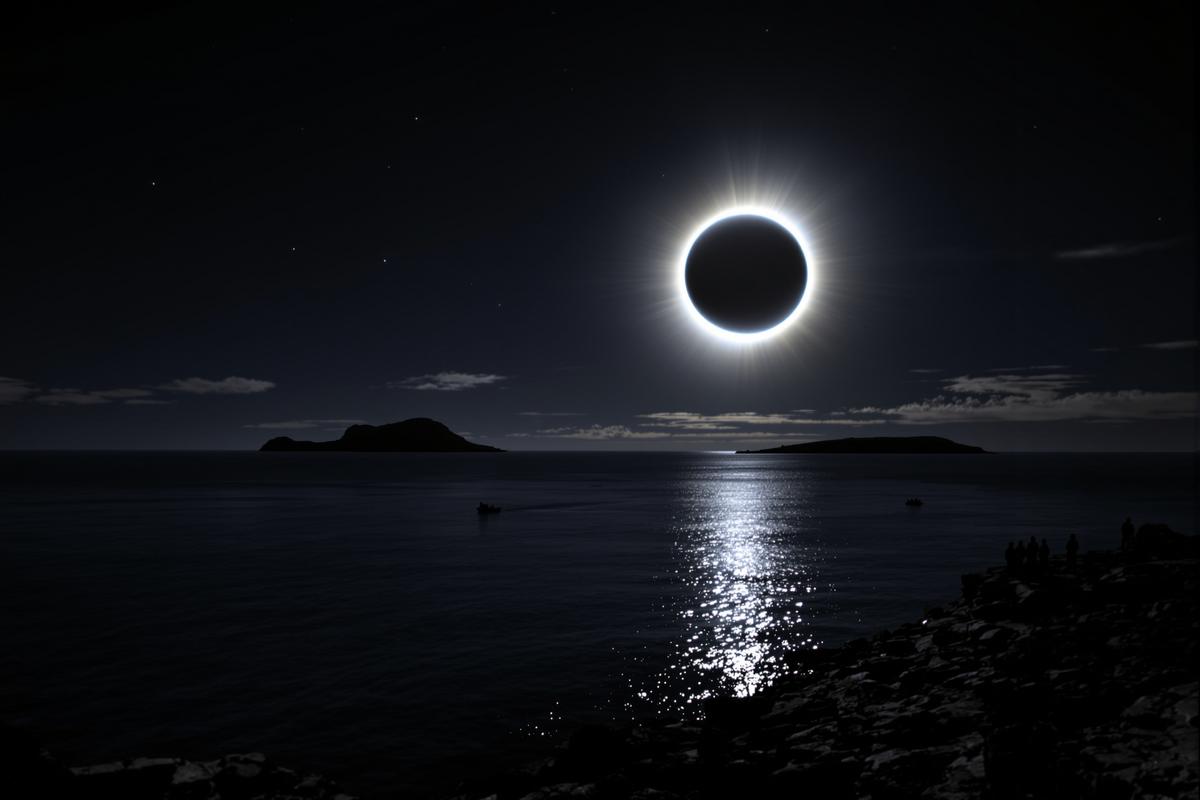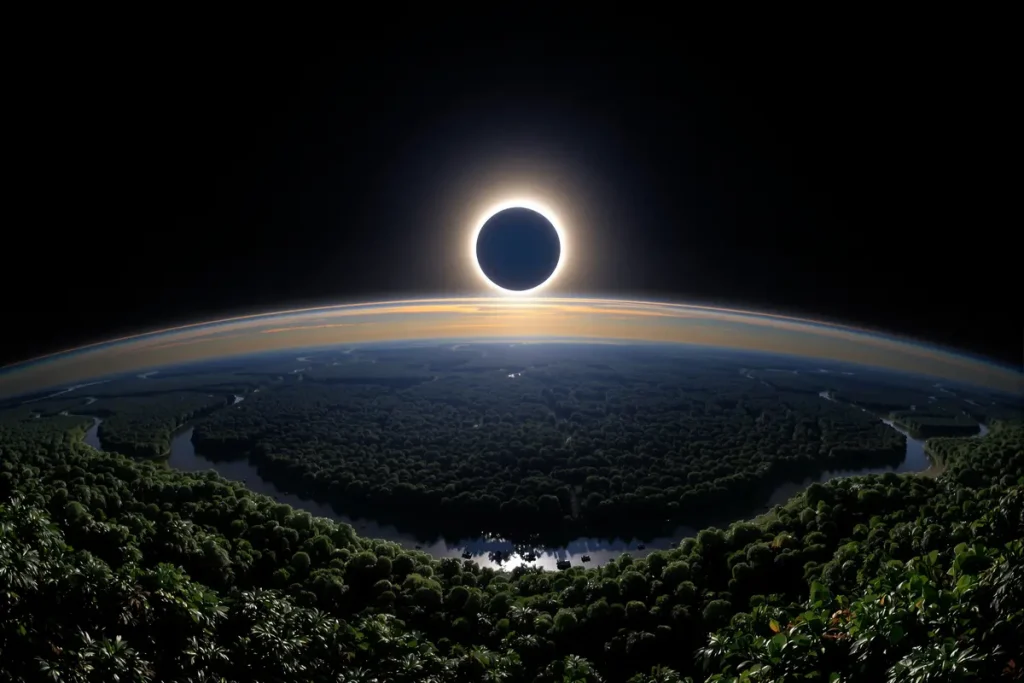
Imagine standing under a sky that suddenly turns pitch black in the middle of the day. Not for seconds, but for nearly six full minutes. That’s not science fiction—it’s the next longest solar eclipse in human history. While most eclipses are over before you can catch your breath, this one stretches time, turning it into a memory you’ll never forget.
What makes the 2186 eclipse so special?
Mark your calendar—July 16, 2186 will bring a total solar eclipse lasting up to 6 minutes and 23 seconds. That’s nearly double the length of most other total eclipses, which usually last around 2 to 3 minutes. This upcoming spectacle has already earned the nickname “the eclipse of the century”.
Why is it so long? It’s all about perfect timing and celestial geometry:
- The Moon will be near perigee, the closest point to Earth, making it appear a bit bigger.
- The Earth will be near aphelion, the farthest point from the Sun, making the Sun look slightly smaller.
- The eclipse path runs close to the equator, where the Earth spins faster, helping the Moon’s shadow linger longer.
The shadow will cut across northern South America and the Atlantic Ocean, with its longest duration hovering over areas near the Amazon River mouth and the equatorial sea. Unfortunately, most people alive today won’t be around to see this wonder. But its impact on eclipse science and public imagination is massive.
Long solar eclipses you can actually experience
If 2186 feels too far away (and it is), don’t worry. Several exciting eclipses are coming up that you can plan for in your lifetime.
- August 2, 2027: Africa and the Middle East get a real show. Near Luxor, Egypt, totality lasts more than 5 minutes. Over the ocean, it pushes close to 6 minutes. The location also offers clear skies and stunning ancient backdrops.
- August 12, 2026: This eclipse crosses northern Spain and Iceland. Although totality will be shorter—closer to 2–3 minutes—it promises dramatic views, especially over coastal Spain.
- July 22, 2028: This one will pass through parts of Australia, including Sydney. Expect 3 to 4 minutes of complete darkness, enough to feel the air chill, the birds go quiet, and the world stop.
For many, these will be once-in-a-lifetime chances to witness the magic firsthand. And they don’t require a time machine.
How to watch a long eclipse the right way
You don’t need to be an expert, but the right plan can turn a good eclipse into an unforgettable experience. Here’s what the pros recommend:
- Prioritize weather, not just geography. Choose dry, cloud-free locations—like Egypt’s desert regions—for better visibility.
- Book early, but stay flexible. Lodging can fill up years in advance. Have a backup site within driving distance to adjust for last-minute weather shifts.
- Use certified eclipse glasses during the partial eclipse phases. Only take them off during totality.
- Bring low-tech tools like a cardboard pinhole projector just in case. And print out the eclipse timeline—you won’t want to scroll through apps while the sky goes dark.
- Take at least one minute with no screens or cameras. Just stand and look. You’ll remember that moment more than any photo.
Experienced eclipse chasers say that even with six minutes, it can feel like seconds. Planning your “viewing script” helps you savor the whole experience—from the first bite of darkness to the 360-degree sunset glow on the horizon.
Why these few minutes of darkness mean so much
Four or five minutes of darkness might not sound like much. But ask anyone who’s seen a total eclipse, and they’ll tell you: it changes something inside you. It’s a mix of awe, silence, and surprise that doesn’t happen often in our busy lives.
The upcoming 2186 eclipse will fuel science, storytelling, and maybe even careers in astronomy. It’ll become part of family legends, the kind passed down like rare treasures. But even the shorter ones ahead can leave a deep mark. You’ll remember the hush of the crowd, the drop in temperature, the way the sky looks… broken, then perfect again.
Get ready for your own eclipse moment
You might not make it to 2186, but a few careful decisions can still place you under the shadow of something timeless.
- Check long-term weather patterns before booking your trip.
- Choose a spot with good infrastructure and a backup location.
- Have your gear prepped early. Bring glasses, maps, and maybe a notebook.
- Give yourself a screen-free minute to truly take it all in.
In the end, it’s not just the eclipse you’ll carry home—it’s the moment the universe tapped you on the shoulder and said, “Look up.”