Something rare and unforgettable is about to grace our skies—one that has scientists excited and travelers packing. The longest total solar eclipse of the century is coming, and it promises more than just a shadow across the Sun. It might just change the way you feel about daylight.
What Makes This Eclipse So Special?
This isn’t just another solar event. In some locations, the eclipse will deliver several minutes of totality—more than any other eclipse this century. During those moments, the Moon will perfectly align with the Sun, turning mid-afternoon into a surreal twilight.
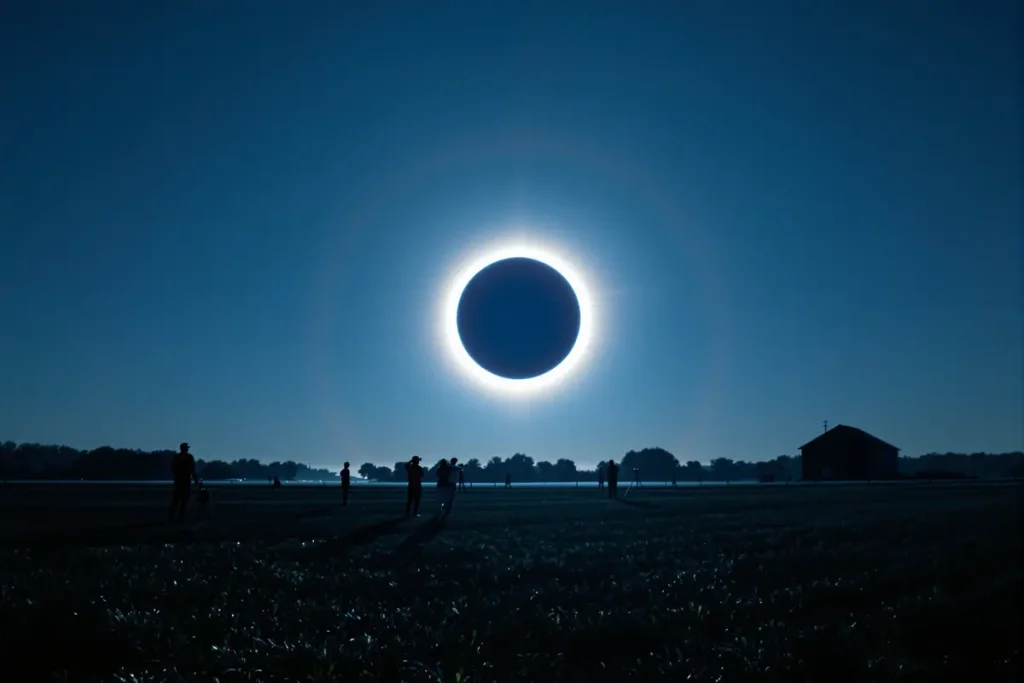
What you’ll see is extreme cosmic geometry. Even though the Moon is 400 times smaller than the Sun, it’s also about 400 times closer to Earth, making them appear nearly the same size in our sky. This rare alignment allows the Moon to block out the Sun completely and reveal the corona—the Sun’s faint, outer atmosphere that’s usually invisible.
When and Where to See It
To witness the full impact, you need to be within the path of totality—a narrow band stretching across certain parts of the globe. If you’re just a few dozen kilometers outside it, you’ll only catch a partial eclipse, and the Sun won’t fully disappear.
- Location is key. Pick a spot inside the path of totality for the best view.
- Make travel plans early. Some people are driving far, booking trains, or even camping to be in exactly the right place.
- Pick an open area. Aim for clear skies and a good view of the horizon.
What to Expect as It Happens
Don’t expect darkness to fall all at once. At first, the light just looks “off.” Shadows lengthen and sharpen, and colors take on an eerie tone. Birds start acting strangely. The temperature drops a few degrees, and a cool breeze might sneak up on you. All around, people begin to quiet down, heads tilted upward in awe.
When totality hits, the daylight slips away and a ghostly ring appears—the corona, glowing in the darkness. For those few minutes, everything changes. Streetlights may flicker on. The horizon will glow like a sunset in every direction. Then, just as quickly, light returns like a snap—and someone nearby might whisper, “Was that it?”
Safety Tips You Can’t Skip
This moment is powerful—but never forget: looking directly at the Sun is dangerous, even when most of it is covered. Your eyes can be seriously damaged without proper protection.
- Use certified eclipse glasses—not sunglasses or makeshift filters.
- Your phone and camera need filters too, or the heat can destroy their sensors.
- Only remove protective glasses during the exact moment of totality, and put them back on as soon as the Sun starts to show again.
How to Truly Experience the Eclipse
Most regrets after an eclipse aren’t about missed photos—they’re about missing the feeling. Think about creating a tiny ritual for yourself. Take one photo at the start, then put your camera down and be fully present.
Some people jot a note in a journal or just watch what others around them are doing. The reactions are part of the experience—gasps, goosebumps, maybe even a tear or two. And yes, that’s normal. This isn’t just about science. It’s about emotion, memory, and that weird, wonderful pulse of shared wonder.
How Animals and Nature React
You’re not the only one feeling it. Birds might roost, insects could go quiet, and some mammals even start behaving like it’s nighttime. The sudden change in light and temperature throws nature off its rhythm. Scientists are eager to observe and record these reactions during an eclipse that offers more time than usual for study.
Make the Most of Your Moment
- Test your glasses and filter equipment the day before.
- Bring a jacket or light sweater. Yes, it really does get cooler.
- Choose your photo plans wisely. One or two good shots beat fifty distracted ones.
- Plan how you’ll get home afterward. Towns near the eclipse path may see major traffic right after.
- Tell someone where you’ll be. A little foresight goes a long way.
Why This Eclipse Matters
This eclipse is more than celestial math. It’s a global moment of connection. Families are turning it into camping trips. Scientists are lining up their instruments. Strangers will gasp in unison. You’ll feel it in your skin, your chest, maybe even deep in your thoughts the next day.
Think of it as a time-out from the usual. A chance to notice the sky differently. To remember that giant cosmic forces throw shadows across continents—and still, you get to be part of it.
FAQs
How long will totality last?
In some areas right along the center of the eclipse path, totality could last several minutes—longer than any other eclipse this century.
Are regular sunglasses safe during the eclipse?
No. Only wear certified eclipse glasses or you risk serious eye injury.
Do animals really act differently?
Yes. Birds often fall silent, crickets may start chirping, and some mammals prepare for sleep as light and temperature suddenly change.
Is it worth travelling into the eclipse path?
Absolutely. Most who’ve seen both partial and total eclipses say totality feels like an entirely different experience.
What if it’s cloudy?
Even if clouds block parts of the sky, you’ll still feel the sudden dimming and shift in atmosphere. Some choose mobile viewing spots so they can move if needed.
Final Light
In the end, this eclipse won’t last forever. But its memory will. Whether you’re a curious watcher or a future eclipse chaser in the making, take a moment to actually feel it. The way the world pauses. The way the sky changes. How it leaves a tiny echo in your thoughts for days afterward.