A weird new creature just showed up where it doesn’t belong—and experts are worried. At first, it looked like a strange crust clinging to a boat dock. But within hours, officials were calling it what it really is: an early sign of trouble that could spread fast unless people take action right away.
A shocking discovery under the waterline
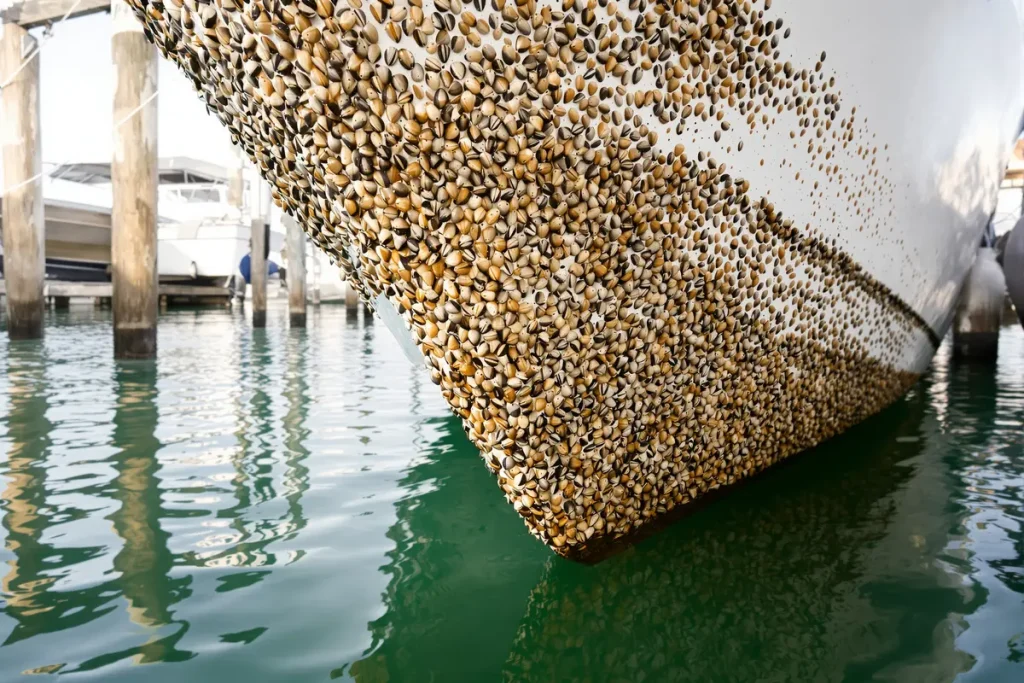
It started one quiet morning in a small Atlantic harbor. A marina worker spotted something that didn’t look right on the bottom of a boat. Up close, the hull seemed coated with tiny, striped shells stacked in thick layers. The worker took a photo. Within an hour, officials were on-site to investigate.
What they found sent a chill through the local community. These weren’t just any shells—they were zebra mussels, a highly invasive freshwater species known for damaging pipes, smothering native wildlife, and spreading like wildfire. And here’s the problem—they’re not supposed to survive in salty or brackish water like this marina. Yet, clearly, they had.
Why zebra mussels are a big deal
These fingernail-sized mussels may look harmless, but the damage they do grows fast:
- Each adult can release hundreds of thousands of larvae in one season
- They clog cooling systems and damage boats, water treatments, and docks
- Their sharp shells can make beaches unsafe to walk barefoot
- They often drive out local species that keep ecosystems in balance
Now, for the first time, they’ve shown up in a coastal environment—and they’re multiplying.
What officials are asking you to do—immediately
The message from local experts is simple: act now to stop this from spreading. They’ve launched a three-step routine for everyone who uses the water:
1. Clean, drain, dry
- Clean boats, boards, and gear with high-pressure water—away from storm drains
- Drain all water from compartments, live wells, and bilges after every trip
- Dry everything completely—for at least 48 hours—before using it anywhere else
This routine keeps tiny mussel larvae (which are invisible to your eye) from moving with your gear.
2. Report any sightings—fast
If you see small, stripey shells clustered on boats, docks, rocks, or ropes, don’t ignore it. Take a clear photo, note the location, and send it to your local harbor authority or environmental agency. Community reports like this have already helped map high-risk areas—faster than any satellite could.
3. Change small habits
Let’s be honest: it’s tempting to skip a rinse or move gear between lakes without thinking. But those shortcuts are exactly how invasives jump from one body of water to another.
So do this:
- Keep a basic kit in your car: scrub brush, gloves, spray nozzle
- Link cleaning to your routine: like after locking the trailer or packing a cooler
- Talk about it with guests and kids, so they see cleaning as just part of the day
Why you should care—yes, even if you don’t own a boat
After the first sighting, life around the harbor didn’t stop—but people started acting different. Teenagers with paddleboards lined up next to longtime fishers, checking their gear for mussels. Marina managers put out brushes and hoses with homemade signs that read “Clean me, or pay later.”
That shift matters. Because this isn’t just about science or responsibility. It’s about protecting the everyday places you love—your swimming spot, your morning kayak, the beach where your kids learned to fish.
Important signs to watch for
| Key point | Details | Why it matters |
|---|---|---|
| Spotting zebra mussels | Small, triangular shells (up to 4 cm), often striped dark and light, forming tight clusters on hard surfaces | Early ID helps stop them before they spread into new areas |
| “Clean, Drain, Dry” steps | Rinse thoroughly, empty every part that holds water, let dry fully before transfer | Prevents larvae from hitching a ride to new lakes, marinas, or rivers |
| Reporting a sighting | Photo + exact location, sent to local environment or marina authority | Fast reporting boosts response time and containment efforts |
FAQs you should know
Can zebra mussels really survive in salt water?
Usually they can’t—at least not for long. But warm temps and lower salt levels in some marinas seem to help them survive just long enough to cause chaos. That’s what makes this case so worrying.
What do I do if I find them?
Take a photo and report it. Then scrape them off into a trash bin (not the water). Rinse the area and let your gear dry completely before moving it again.
Is it still OK to go paddling?
Yes, as long as you stick to the cleaning routine—no wet kayaks into new lakes or docks. Wet gear makes it easy for larvae to tag along unnoticed.
Are they dangerous to people?
Not directly. They’re not toxic or aggressive. But their razor-sharp shells can hurt feet, and they make popular swimming spots a lot less safe.
Does a single sighting mean it’s hopeless?
No! If people report sightings fast and follow the cleaning plan, early outbreaks can sometimes be contained. But wait too long—and the damage can last for decades.
The bottom line: a creature the size of your fingernail just changed the game
Some people will shrug this off. But others now carry a brush in their car and take an extra minute to rinse off gear. That one minute could be what keeps their favorite stretch of water swimmable, fishable, and safe.
This strange, first-of-its-kind mussel discovery is more than an odd footnote—it’s a wakeup call. You don’t need to be a scientist to make a difference. Just pay attention. Notice when something’s off. And clean like it matters. Because it does.