Have you ever stopped to think about why you’re drawn to certain colors? The shades you wear every day, the tones that fill your home, or even the covers on your phone—they might mean more than you think. Psychologists are now pointing to a surprising link between color preferences and how you feel about yourself, especially when it comes to self-esteem.
How Color Reflects Self-Worth
Color does more than just look pretty. Studies in color psychology show that the tones we keep around us—at home, at work, and in our closets—can reflect our mood, emotions, and even hidden beliefs.
While enjoying a favorite color is normal, a deep reliance on certain shades might signal deeper feelings, especially about self-worth. According to psychologists, three colors show up often in people struggling with low self-esteem. These colors aren’t “bad,” but the ways people use them can offer important clues.
1. Black: Comfort or Camouflage?
Black is classic, sleek, and stylish. It’s everywhere in fashion, even in home décor. But when black becomes the only color someone wears or uses, it can say more than just “minimalist style.”
Psychologists note that people with low self-esteem often choose black to feel less visible. They say it hides flaws, helps them blend in, and feels emotionally “safe.” Over time, though, always wearing black can support the belief that attention is dangerous or unwanted.
Some signs to notice:
- Closets filled only with black—shirts, pants, even shoes
- Feeling anxious when asked to wear color
- Associating bright clothes with “not for people like me”
Black on its own isn’t the issue. But when it becomes a shield to hide behind, it might be time to ask yourself some gentle questions.
2. Washed-Out Greys: A Sign of Emotional Fog
Grey is known for being calm and balanced. But drab, desaturated grey tones—especially in your wardrobe or living space—can quietly reflect a feeling of emotional numbness or low energy.
People who describe themselves as “boring” often stick to soft grey tones. It’s not just a fashion choice; it’s a way of not standing out. Psychologists link this color habit to feelings like sadness, tiredness, or a belief that they shouldn’t take up space.
Examples of this might include:
- Walls painted entirely grey with little variation
- Wearing mostly grey sweats or hoodies over time
- Describing other colors as “too loud” or “too much”
A home full of soft greys can feel peaceful. But when everything fades quietly into the background, it might reflect how the person feels inside.
3. Muddy Browns and Beiges: Comfort or Self-Neglect?
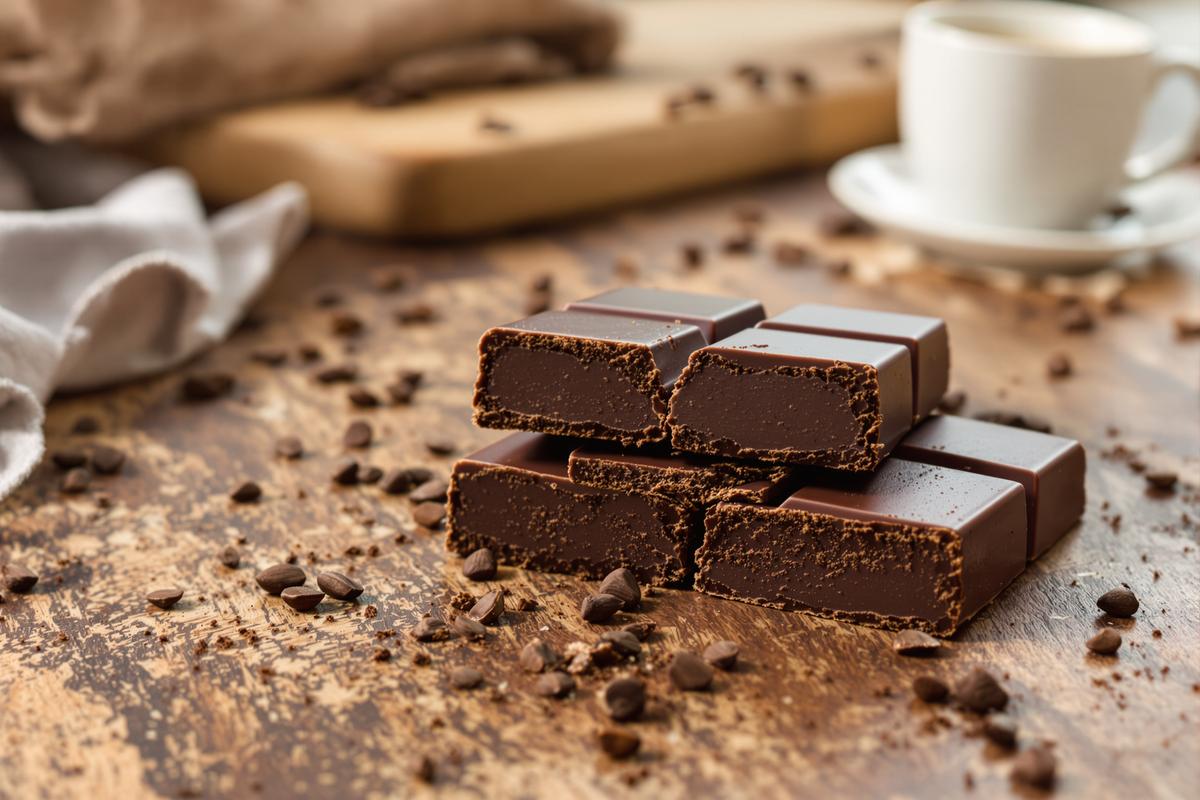
Earth tones like brown and beige can be warm and cozy—but they can also become lifeless. Psychologists suggest that some people with low self-esteem lean toward dull browns, not for comfort, but because they don’t feel they deserve anything brighter.
Low-energy browns and flat beiges may silently say: “I’ll make do.” These people might avoid bold shades because they think those are for “better” or “more interesting” people.
Watch for patterns like:
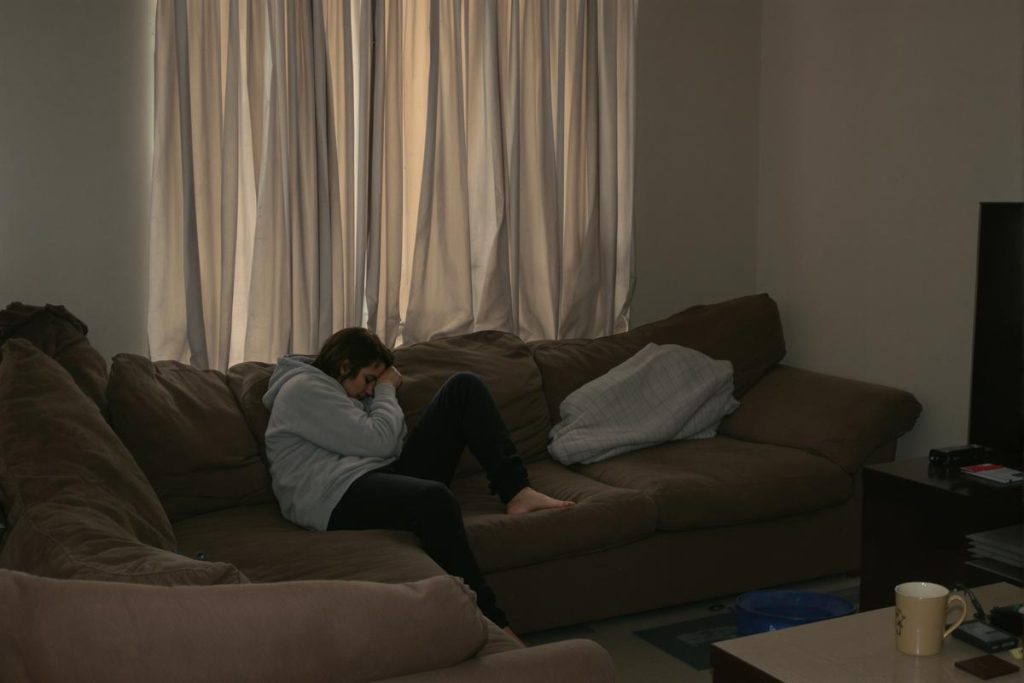
- Old, chipped beige mugs still being used “because they’re fine”
- Sagging brown sofas and curtains that remain closed all day
- A feeling that nicer clothing or décor would be “a waste”
Here, color isn’t just color—it’s a quiet reflection of what someone feels they’re worth.
When Does Color Choice Become a Warning Sign?
No one can diagnose low self-esteem based only on a t-shirt or paint choice. But psychologists suggest it’s worth paying attention when certain signals appear together:
- Tight, unchanging color habits over years
- Fear or discomfort with stepping outside of “safe” shades
- Strong emotional reactions to bright or bold colors
- Color choices changing after life challenges, like breakups, illness, or job loss
It’s also important to consider culture and context. In some places, black means elegance. In others, brown honors tradition. Your environment, job, and lifestyle all influence how you use color.
Use Color as a Self-Check, Not a Judgment
Instead of seeing these shades as “bad,” experts suggest using them to ask kind, thoughtful questions. Here are a few examples:
| Question | What it may reveal |
|---|---|
| Do I avoid color because I think it doesn’t suit “people like me”? | Hidden fears about worth or visibility |
| Did my color palette change after a hard event? | Grief, burnout, or withdrawal |
| How does it feel to wear something colorful? | Your comfort with attention and change |
Some therapists even try small experiments, like adding one brighter scarf per week, or placing a green pillow into a grey room. It’s not about making life more “fun”—it’s about gently challenging the story that you’re only safe when you’re invisible.
Building Self-Esteem Beyond Color
Color isn’t a cure. You can’t paint your way out of pain. But small shifts in what you wear or surround yourself with can be part of a deeper journey—a sign that you’re ready to take up more space, gently.
Lasting self-worth grows from deeper roots:
- Being treated with respect and care
- Setting and meeting small, doable goals
- Safe, supportive relationships
- Taking care of your body—rest, food, movement
Still, psychologists say that a new color on your wall or in your wardrobe can be the start of something. When people stop hiding, they often reach for clothes that feel more like “them.” They might even smile more.
One Simple Exercise to Try
Want a quick and eye-opening practice? Take photos of what you wear—and where you spend time—for a whole week. Look at the color story. Then ask yourself:
“If this palette belonged to a movie character, what would I guess about their life?”
The answer might surprise you—and show you where you’re ready to grow.