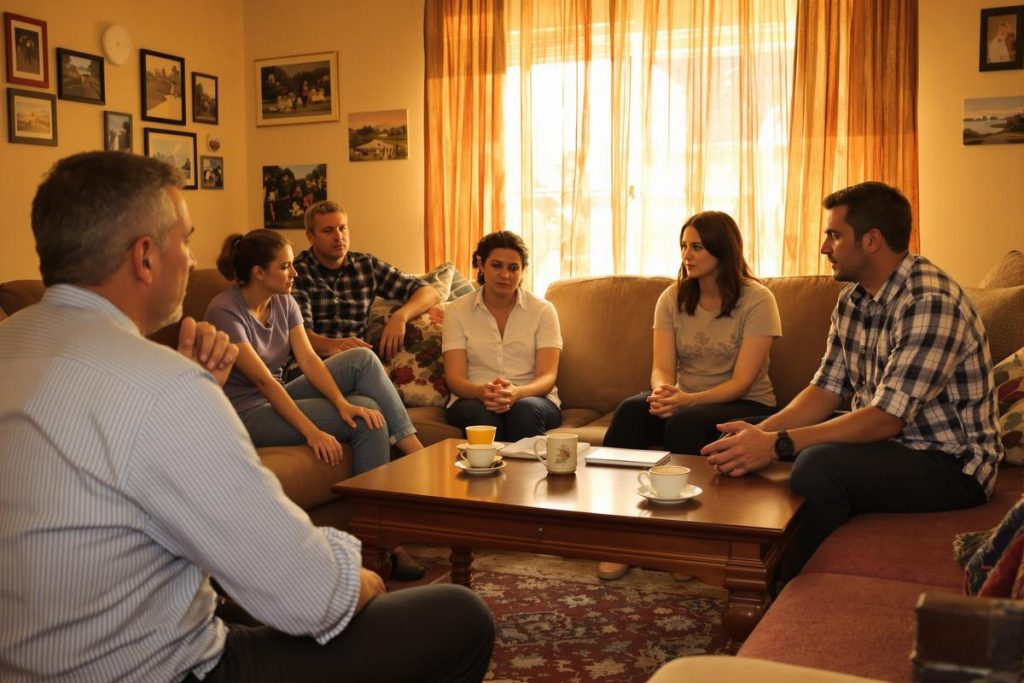
What seems like a simple plan—a fair inheritance—is tearing a family apart. At the heart of the issue are love, loyalty, and what fairness really means when your children walk through life on very different paths.
A Will Meant to Be Simple Ends in Family Tension
A father in his late fifties wanted to keep it straightforward. After some health scares, he wrote a will leaving his estate equally to his three adult children: two daughters and a son. The kids are from his first marriage, but he’s now remarried, and his current wife helped raise the youngest daughter since her teens.
To him, equal shares felt like the right thing to do—no drama, no conditions, just fairness. But his wife disagreed. And her reason sparked a deep debate that’s now raising eyebrows far beyond their home.
Three Kids, Three Very Different Lives
From the wife’s point of view, fairness isn’t about giving everyone the same—it’s about recognizing what each person needs. And these kids? Their lives couldn’t be more different.
- Eldest daughter: Well-paid career, partnered, owns a home
- Son: Owns a small business, has some debt, moderate income
- Youngest daughter: Struggles with low income, unstable housing, and student loans
The wife argues that giving them all the same amount ignores the reality that some are starting from behind. Her belief? ‘Fair’ means helping the one who’s had the hardest time.
The Emotional Weight Behind “They’re All My Kids”
The husband sees it differently. To him, they’re all his children. Full stop. And giving more to one feels like calling the others less important.
He’s watched the ups and downs of their lives but believes equal treatment in death might bring peace where life didn’t always manage it. He fears anything else will damage their relationship after he’s gone—possibly forever.
What’s Really Fair: Equal or Needs-Based?
This isn’t the only family asking this. More and more parents are hesitating over equal inheritance. Some want to factor in income, health, past sacrifices, or who took on caregiving responsibilities.
| Inheritance Approach | Perceived Advantage | Main Risk |
|---|---|---|
| Equal shares | Simple, feels impartial | Ignores real-life needs or struggles |
| Needs-based shares | Directs help where it’s needed most | Could trigger jealousy and anger |
| Conditional gifts | Supports education or good money habits | May feel controlling or unfair |
So, what’s “fair” might not mean what you think.
Why the Wife Says “It’s Not Fair”
Her argument has three clear parts:
- The youngest daughter is struggling hard and may never catch up without extra support.
- The eldest has financial security and doesn’t need more help.
- Equal shares actually boost those who already have more.
She doesn’t want to leave anyone out—but she does believe that sticking to fairness on paper might secretly be unfair in real life.
The Husband’s Fears Run Deep
The husband sees something haunting in the future: his kids sitting together, hearing the will, and feeling blindsided. He’s watched families crumble over money—people cutting ties over small things like jewelry or old savings accounts.
To him, equal shares are a shield. A final message that no child was worth more or less. But he’s also afraid: What if giving more to the youngest ends up hurting her self-esteem, making her feel like the “problem child”?
How Families Can Navigate This Emotional Minefield
Experts in estate planning say it loud and clear: Silence does more damage than money ever could. If you’re considering an unequal will, clarity and communication are your strongest tools.
- Hold calm family discussions before health becomes an issue
- Write a personal letter to explain your values and choices
- Use life insurance or side gifts to help a struggling child outside of the main will
- Consider a discretionary trust to allow flexibility over time
None of this removes emotion—but it does help reduce shocks later.
It’s About More Than Money
This isn’t just about cash or houses. It’s about guilt, memory, history, and hope. Some parents want to correct hardships. Others believe that by adulthood, every child should stand tall on their own.
And beneath it all lies today’s reality: for many young adults, their future stability hinges on what their parents leave behind.
In the end, this couple’s disagreement asks deeper questions: Do parents owe the same to every child? Is unequal help a kindness or a wound? And who has the final say when blended families walk the inheritance tightrope?
Money might be cold, but the love and pain behind it are anything but.